
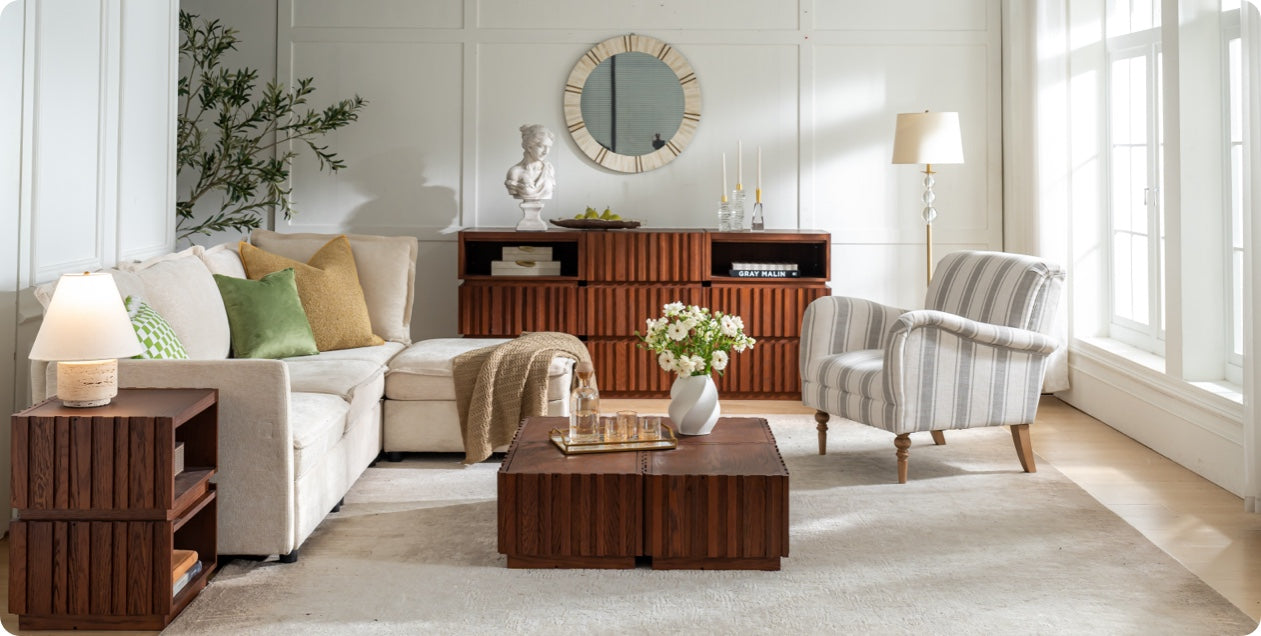
Why Storage Is Always a Challenge
If you've ever lived in a British flat, you know the problem: not enough space, too much stuff, and nowhere to put it all.
UK homes are among the smallest in Europe — the average is just 76 square metres. Add in awkward layouts, sloped ceilings, narrow hallways, and period features that eat up wall space, and storage becomes a genuine puzzle.
The good news? You don't need a bigger flat. You just need smarter storage.
Here are five ideas that actually work in small UK homes — no Instagram fantasy required.
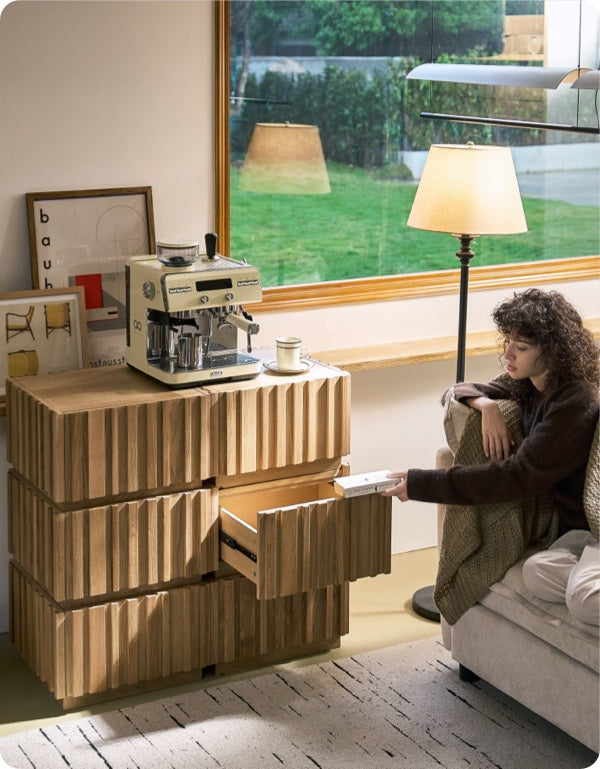
1. Use Vertical Space (Because You've Got More Than You Think)
Most people only use about half their wall height. The rest just sits there, wasted.
What works:
●Tall shelving units that go up to the ceiling
●Wall-mounted storage instead of floor-standing pieces
●Stacking storage boxes on top of wardrobes
In a small bedroom, a floor-to-ceiling shelf takes up the same floor space as a short bookcase — but holds three times as much.
Pro tip: In rentals where you can't drill, look for tension-pole shelving or leaning ladder units. They're stable, removable, and don't damage walls.
2. Choose Modular Storage (So It Grows With You)
Here's the thing about small flats: you don't stay in them forever. You move. You downsize. You upgrade.
Fixed furniture doesn't survive those changes. Modular storage does.
Why modular works:
●Start small, add pieces when you need them
●Reconfigure for different rooms or layouts
●Take it with you when you move (no "too big for the new place" problem)
Think storage cubes you can stack, shelving systems you can extend, or units that work horizontally or vertically.
When your life changes, your storage changes with it. No replacements needed.
3. Hidden Storage Furniture (AKA Storage That Doesn't Look Like Storage)
Small spaces feel even smaller when they're cluttered. The trick is hiding storage in plain sight.
What to look for:
●Ottomans with storage inside (perfect for blankets, books, or random bits)
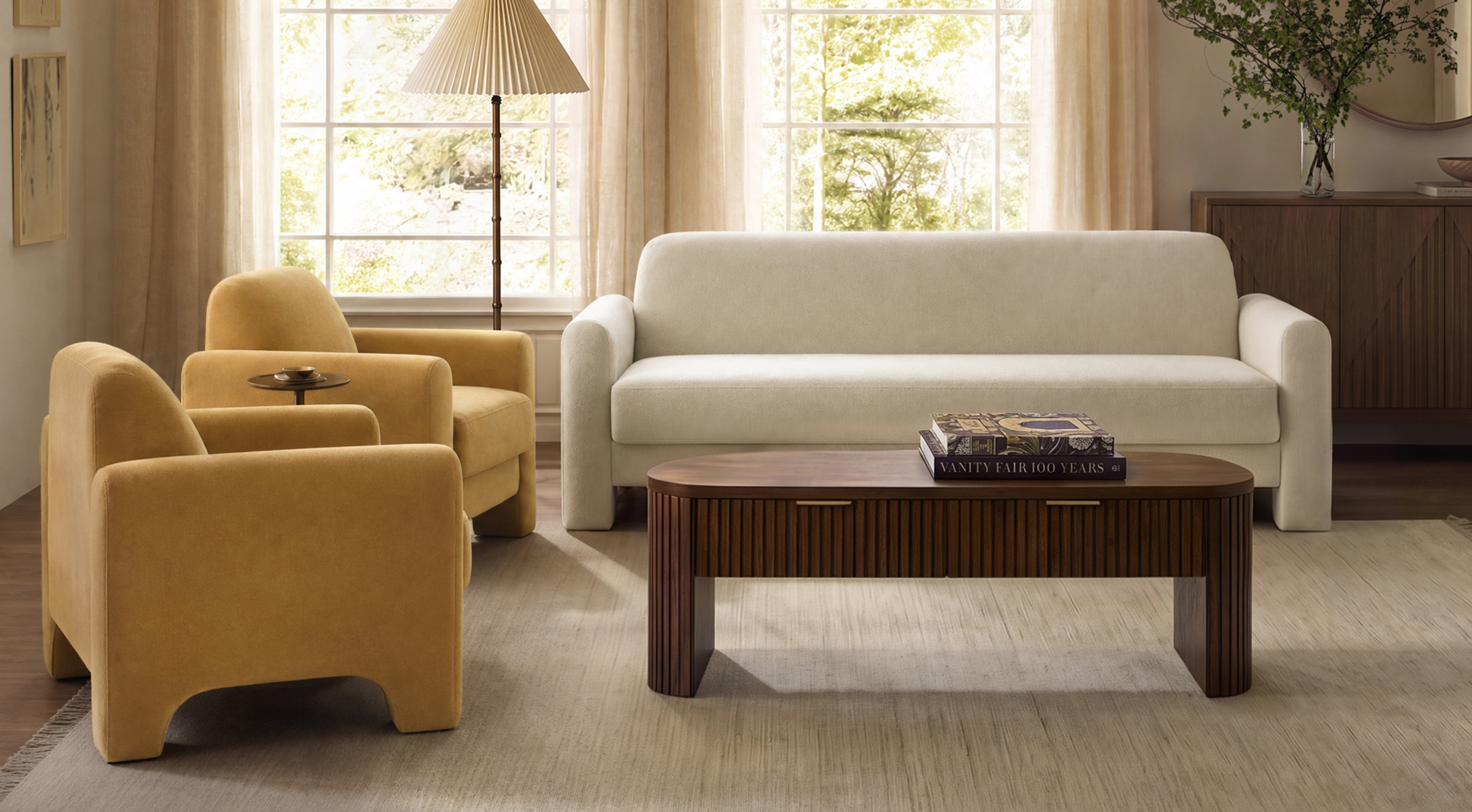
●Coffee tables with drawers or lift-top compartments
●Beds with built-in drawers underneath
Your sofa can hold throws. Your bench can hold shoes. Your bed can hold off-season clothes.
If it sits there anyway, make it work harder.
4. Create Multi-Purpose Areas (Because Small Flats Don't Do Single-Use Rooms)
In a small flat, every space has to pull double duty.
Your dining table is also your desk. Your hallway is also your coat storage. Your living room is also your guest bedroom.
How to make it work:
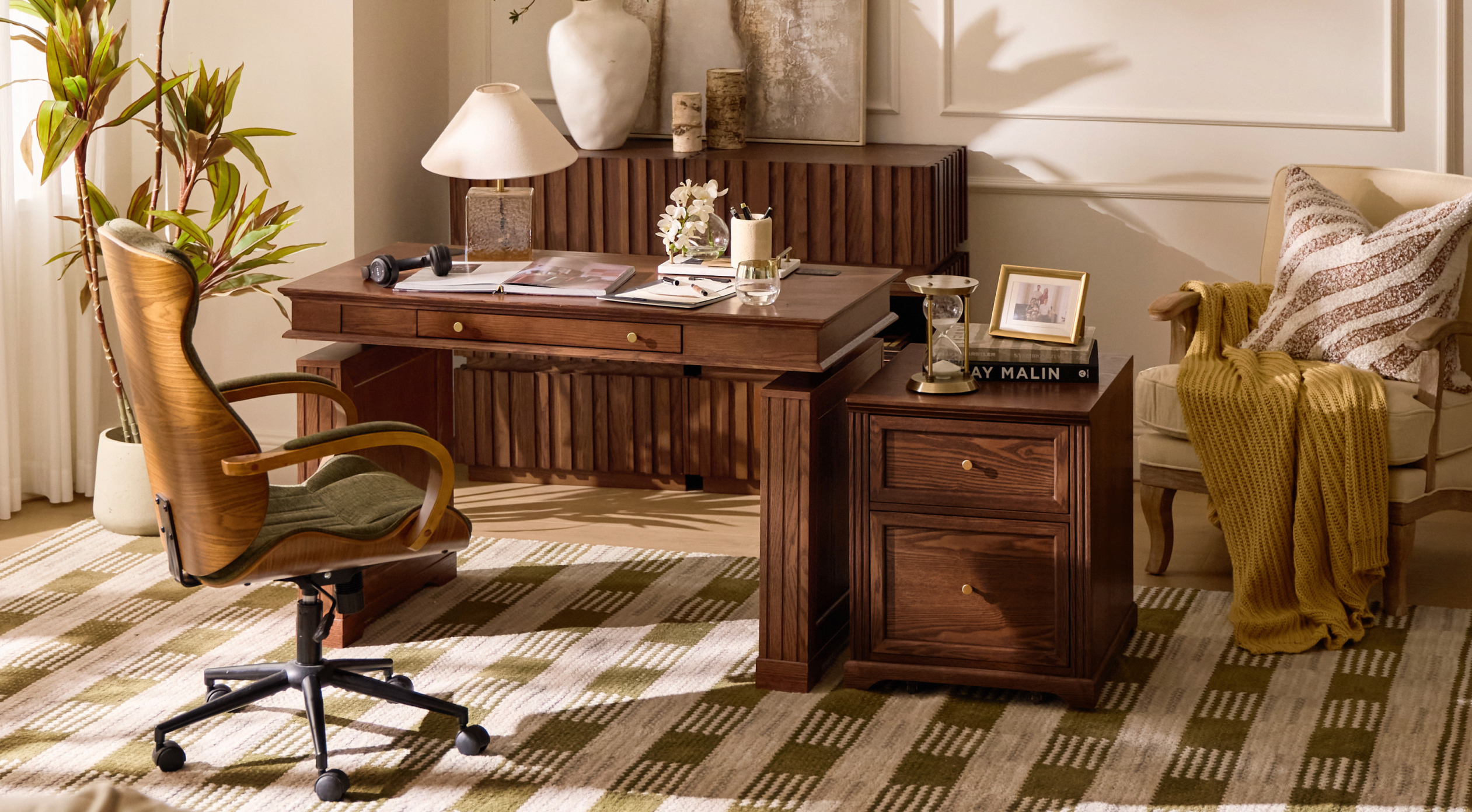
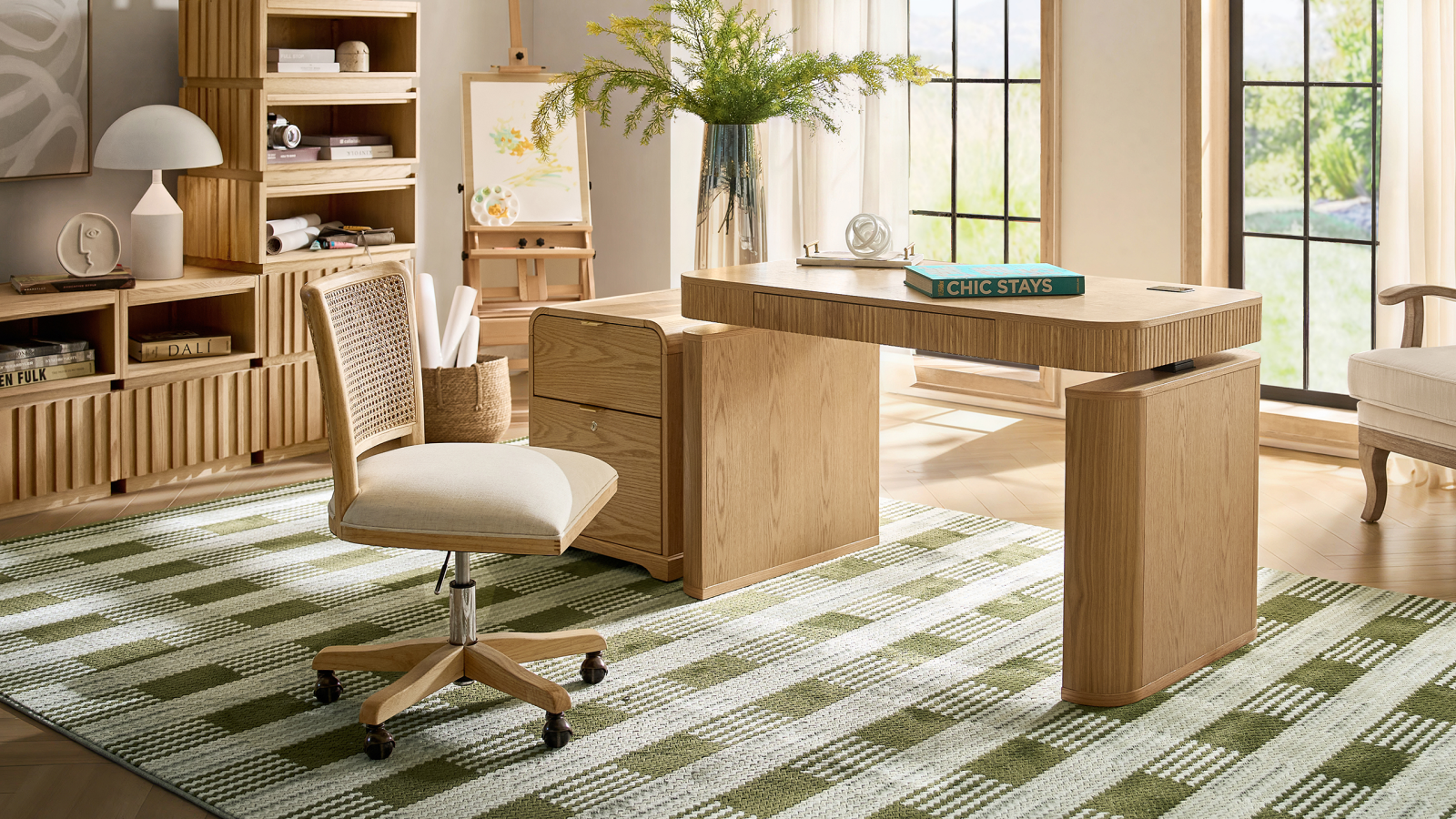
●Use a console table that works as a desk, sideboard, or entryway storage
●Add a fold-down wall desk in the bedroom (work area when you need it, gone when you don't)
●Keep storage flexible so it adapts to whatever the room needs that week
The best small-space furniture doesn't lock you into one use. It shifts as your day shifts.
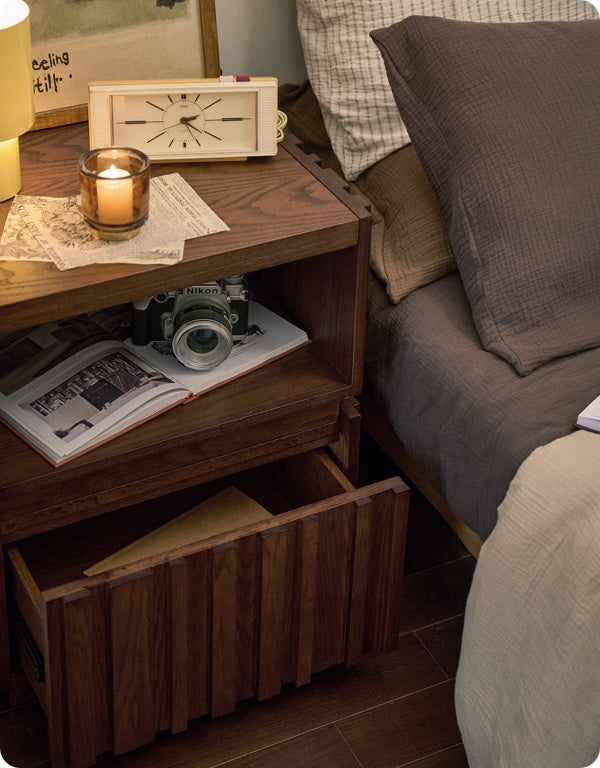
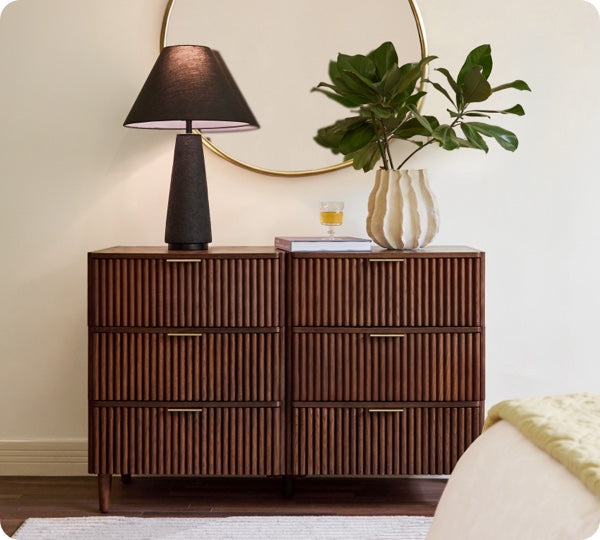
5. Example Setup: Using MODORY in a Small UK Flat
Let's say you've got a one-bedroom flat in London. Compact kitchen. Small living room. Bedroom that barely fits the bed.
Here's how modular storage like MODORY Tessa could actually work:
Living room:
Four modules connected horizontally = media console under the TV. Holds books, remotes, all the stuff that usually ends up on the sofa.
Bedroom:
Two modules stacked = bedside storage. Tall enough to be useful, narrow enough not to crowd the bed.
Hallway:
Two modules = entryway catch-all. Keys, post, bags — everything that used to live on the floor.
When you move:
Same eight modules. New flat. Rearrange into a sideboard, bookshelf, or home office setup. Nothing gets left behind.That's the whole point of modular: it works wherever you are.
Conclusion: Small Flats, Smart Choices
You can't change the size of a British flat. But you can change how you use it.
Go vertical. Choose modular. Hide storage in furniture. Make every area work twice as hard. And pick pieces that move with you, not against you.
Small spaces work when the furniture works with them.
-(1).jpeg?w=2569&h=1427)



.png?w=614&h=180)
.png?w=1180&h=80)