
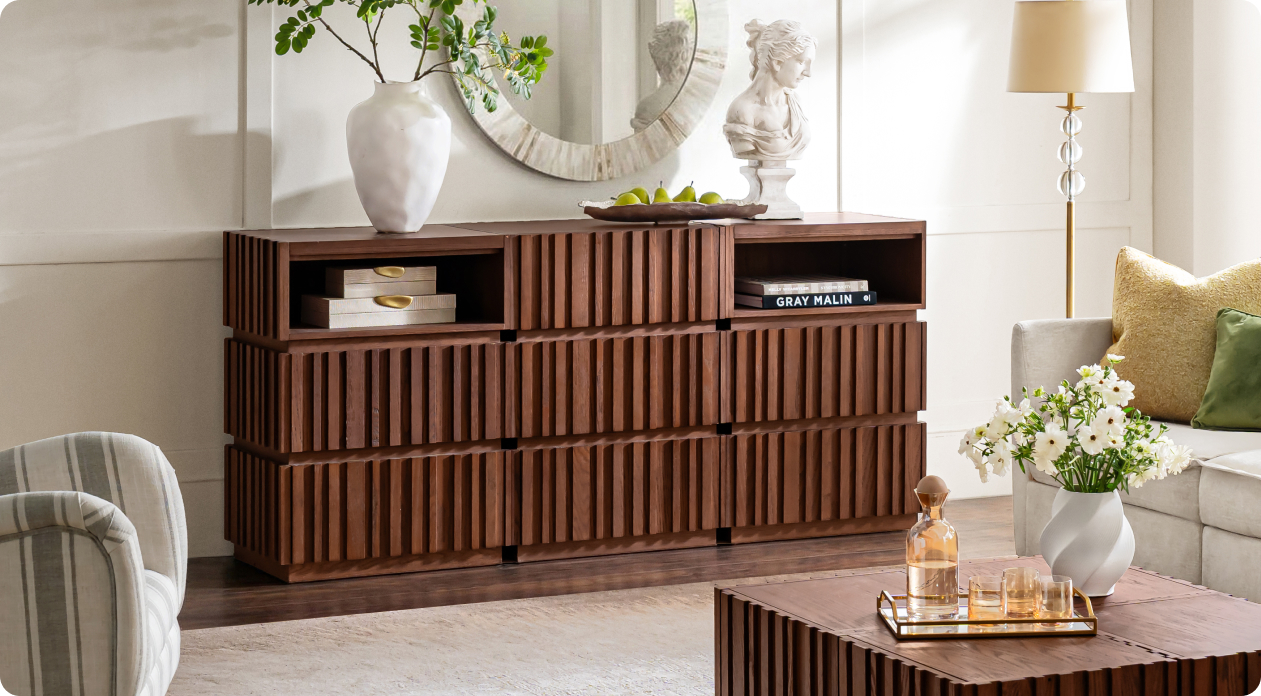
The Core Shift: Homes Are No Longer Single-Purpose
Home today is where you work and live through the quieter rhythms of everyday life. Over the past few years, the boundaries between “workspace” and “living space” have softened considerably, and with that shift comes a new way of thinking about interiors.
A dining area becomes a temporary office.
A living room corner turns into a creative workspace.
Storage becomes more than functional, it becomes part of the atmosphere itself.
As our routines evolve, the spaces around us are being asked to adapt more fluidly alongside them. And increasingly, refreshing a home is no longer about dramatic redesigns or complete renovations. It’s about creating flexibility within the space you already have.
This is where modular storage begins to feel especially relevant.
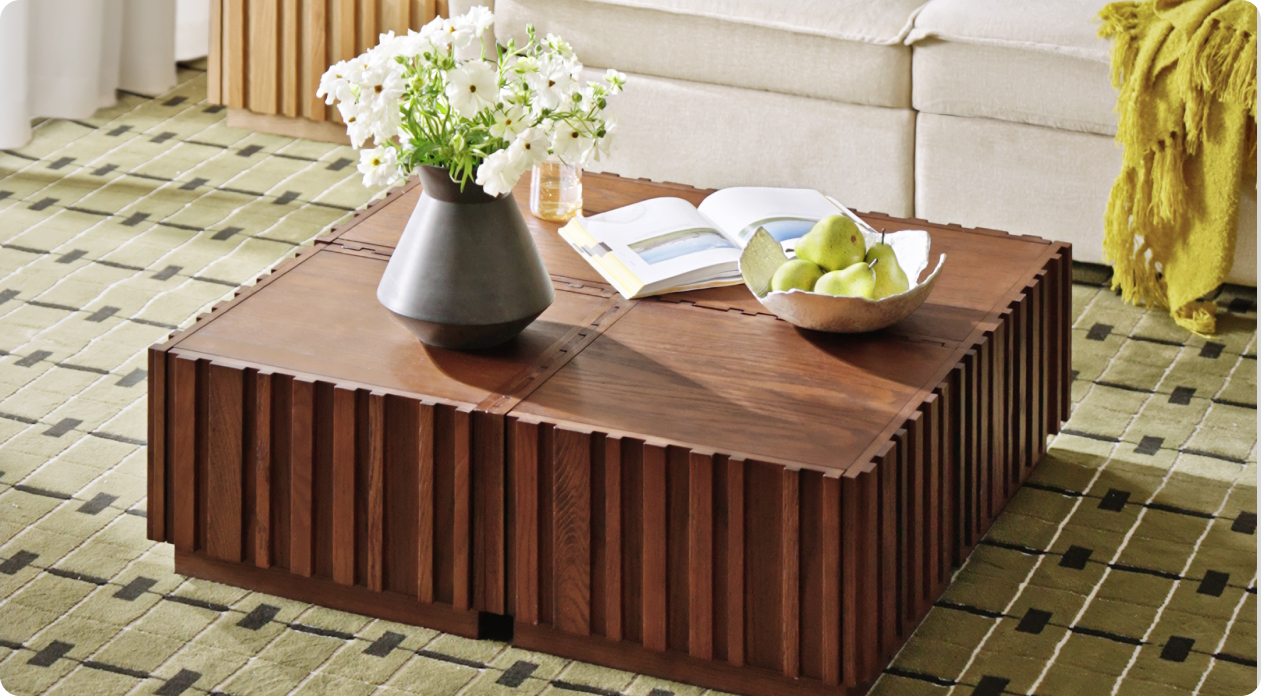
The Problem: Traditional Storage Can’t Keep Up
For many homes, traditional storage was designed around permanence. Fixed shelving systems. Heavy cabinetry. Furniture is assigned to one room and one purpose only. While functional, these solutions often struggle to support the more dynamic way people live and work today.
●A workspace may need to disappear at the end of the day.
●A quiet reading corner may become a video call background by morning.
●Storage needs to shift, not only physically, but visually.
And clutter, in this context, is not only practical. It’s emotional. When a space feels visually crowded, it becomes harder to transition between focus and rest. Surfaces fill quickly. Work tools remain visible long after the workday ends. The home begins to feel “always on.”
Thoughtful storage changes this experience. Not simply by hiding objects away, but by creating a greater sense of visual calm and breathing room throughout the home.
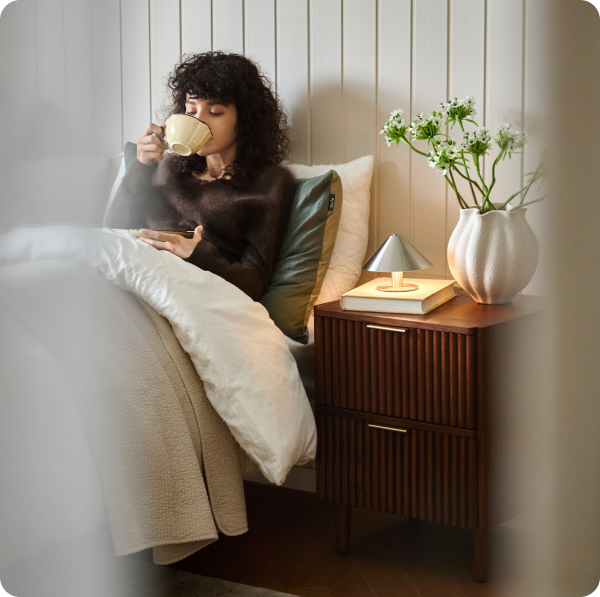
The Solution: Modular Storage as an Adaptive System
Modular storage solves this shift by changing the way storage behaves.
Unlike traditional systems, modular storage is designed to evolve. It can expand, shift, and reconfigure depending on how a space is used without requiring a full replacement. This makes it particularly suitable for homes where one room often serves multiple roles.
But its value goes beyond flexibility. A well-designed modular system also changes the quality of a space:
●Introduces structure without heaviness
●Separates without isolating
●Organises without visually overwhelming the room
This balance between order and openness is what makes modular storage feel so aligned with contemporary living.
A Flexible Home Reset Routine for Work & Living with Modular Storage
A space refresh doesn’t need a full redesign. The key is to work with what you already have, and make a few intentional changes that improve how the space functions day to day—especially in compact UK homes where flexibility matters as much as aesthetics.
Modular storage is effective because it supports gradual, adjustable improvements rather than fixed layouts. Instead of committing to one setup, you can continuously refine how a room looks and works—based on your routines, not the other way around.
1. Start by Resetting the Visual and Functional Base
Begin with small but high-impact adjustments that immediately change how the space feels:
●Clear sightlines by reducing visual clutter
●Improve movement flow within the room
●Group items by function instead of scattering them
●Introduce modular units that can be reconfigured over time
These steps help create a lighter, more organised foundation without changing the entire room.
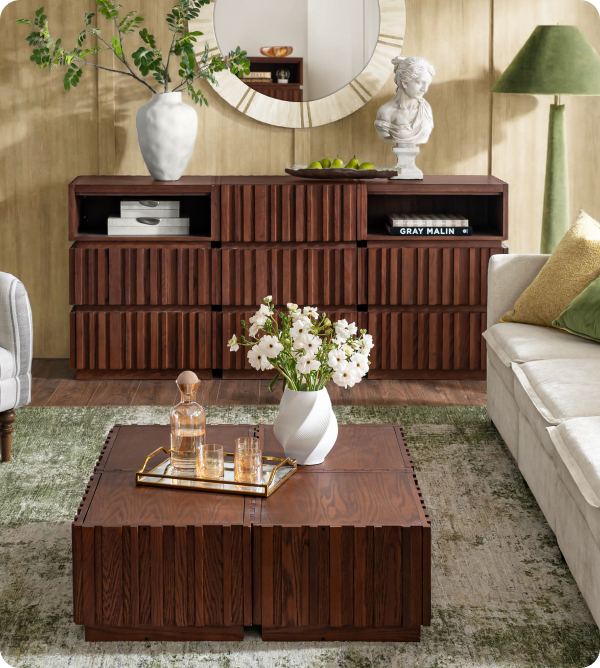
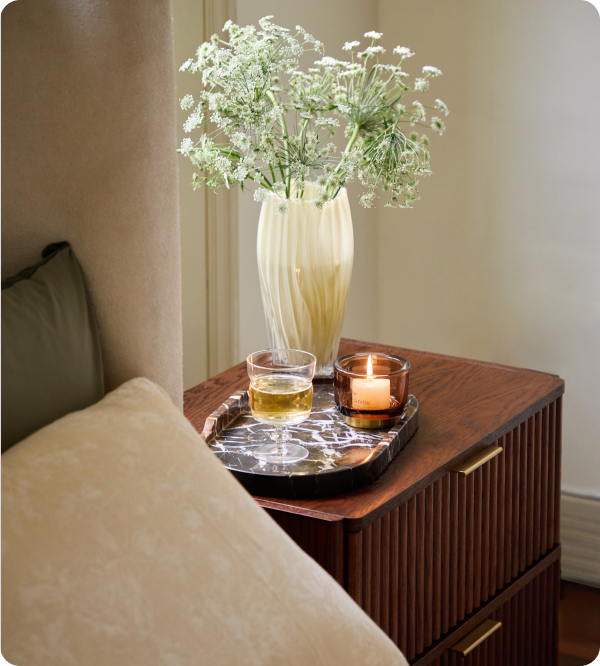
2. Build a Flexible Layout with Modular Storage
Once the base is clearer, use modular storage to structure the space in a way that can evolve.
●Arrange units to define zones without building permanent divisions
●Keep frequently used items within easy reach
●Leave room for future adjustments as needs change
●Combine open and closed storage for a balance between display and concealment
This approach ensures the layout is not fixed—it can shift as your lifestyle does.
3. Switch the Space Between Work and Living Modes
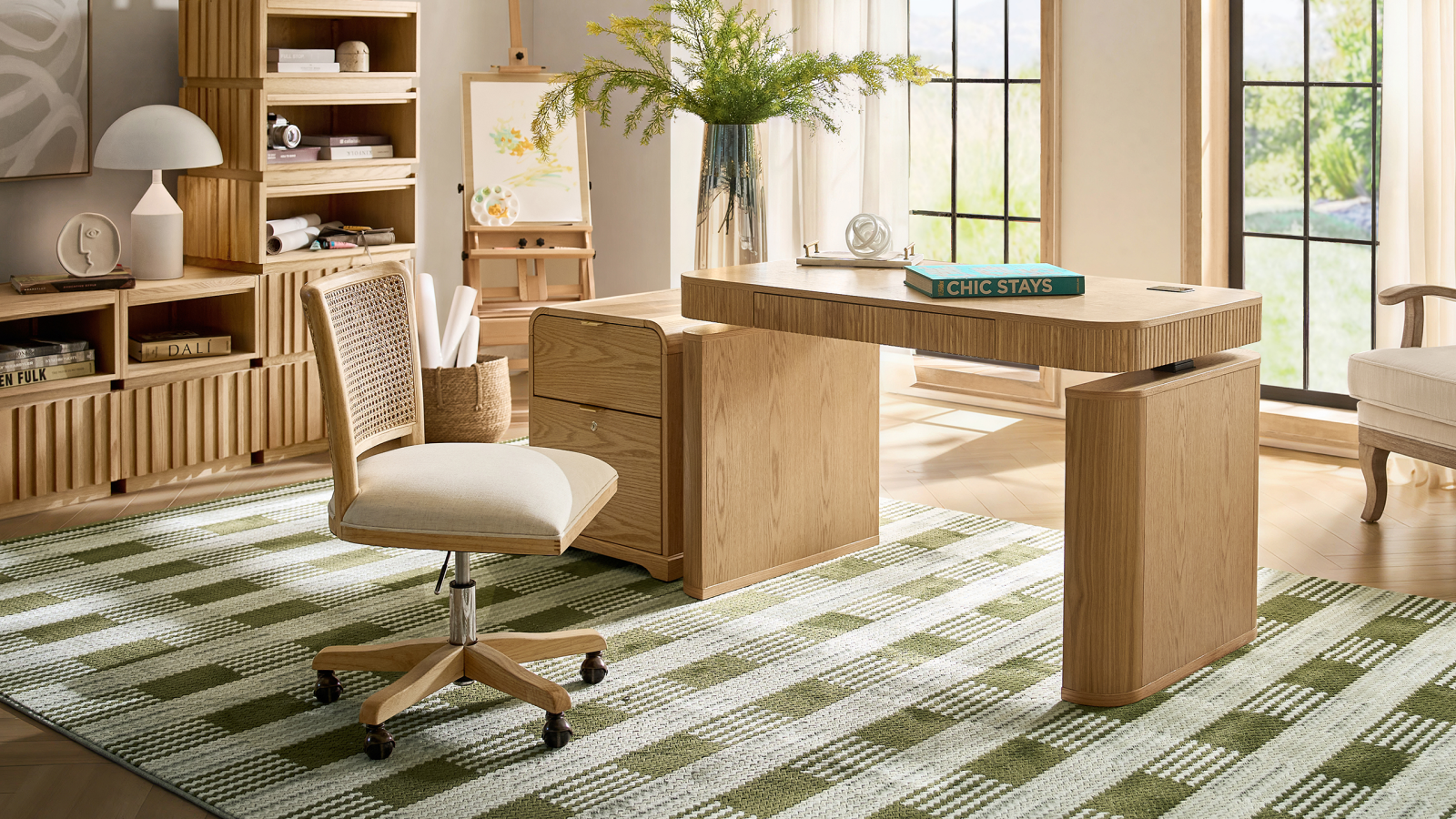
Instead of separating rooms, modular storage helps one space serve multiple roles throughout the day.
Working Mode:
Keep devices, documents, and tools accessible but contained. Minimise visible clutter to create a clean, focused background.
Living Mode:
Display personal objects like books, ceramics, or decor while storing everyday essentials out of sight. This keeps the space warm, but not visually overwhelming.
By following these steps, modular storage becomes more than organisation, it becomes a system for continuous adaptation. The result is a space that feels clearer, more balanced, and easier to live and work in.
Small Space Storage Solutions by HULALA HOME
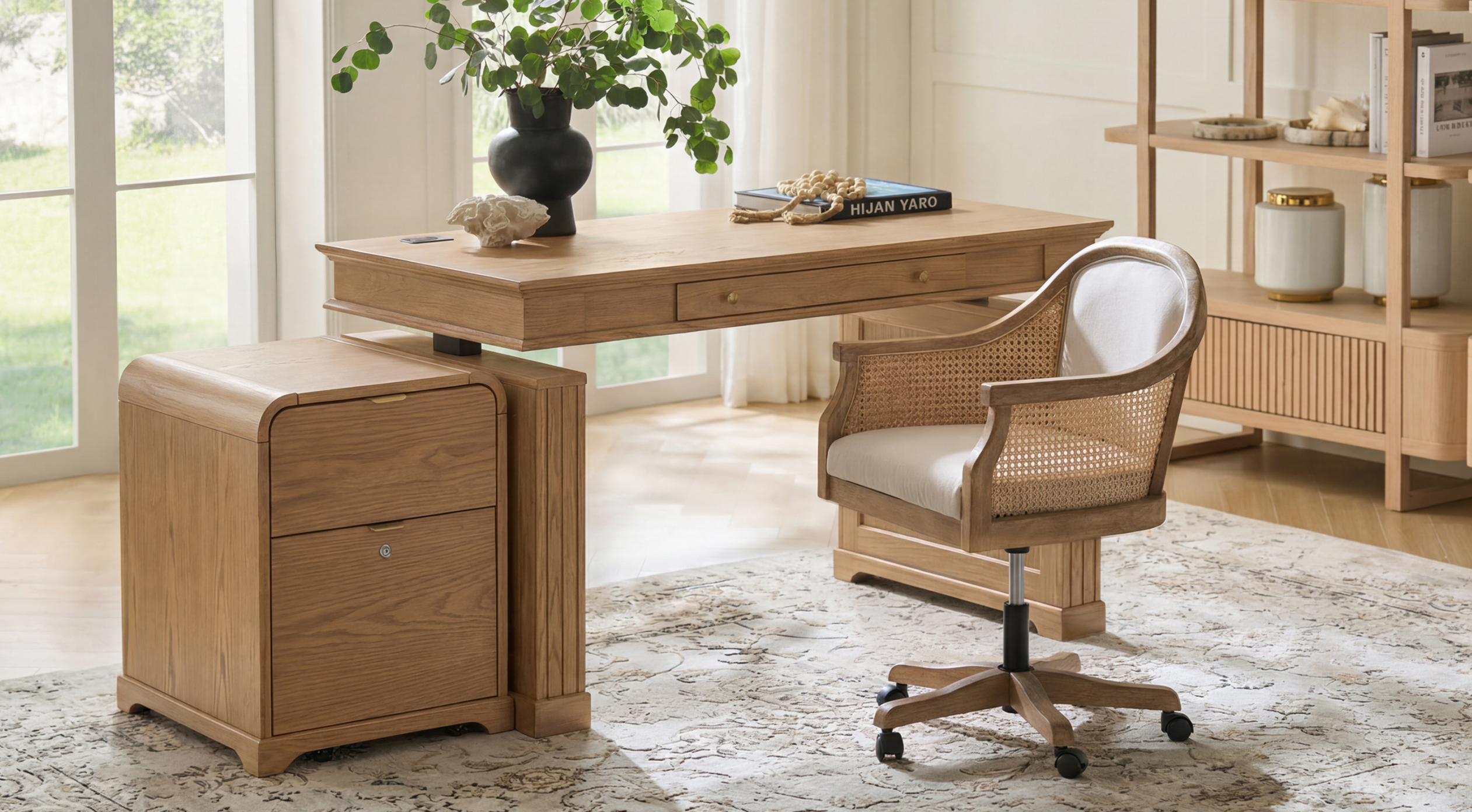
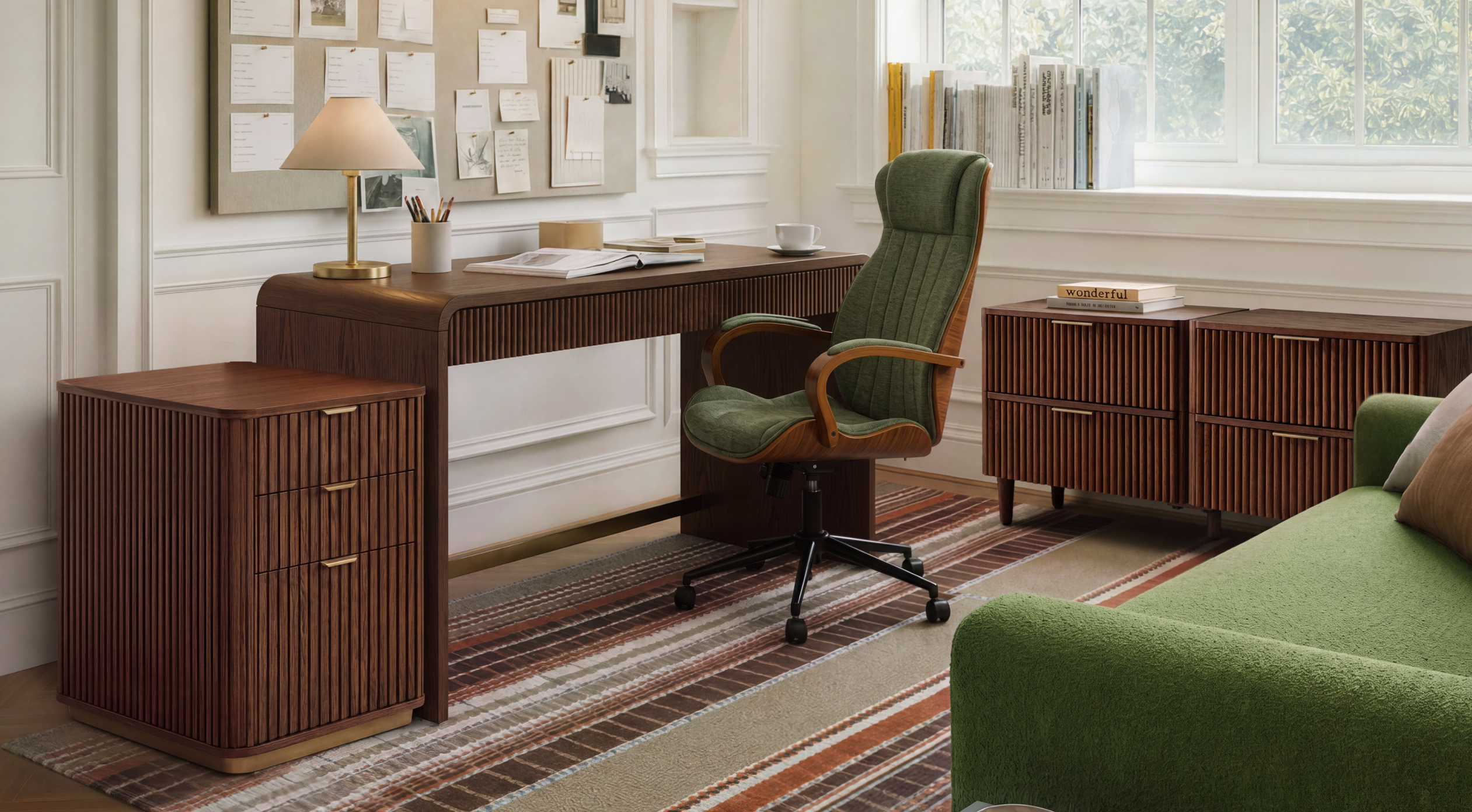
As part of this philosophy, HULALA HOME develops modular solutions designed to balance structure, flexibility, and everyday usability.
1. Modory Barndo Modular Storage System
It is designed with a clean, architectural logic that works across both home office and living environments.
Its mix of open and closed storage creates a visual rhythm while maintaining clarity. More importantly, it can be reconfigured over time, making it ideal for evolving work routines and multifunctional spaces.
Rather than locking a room into a fixed layout, it keeps the structure adaptable as life changes.
2. Modory Tessa Modular Storage System
It takes a softer, more residential approach to modular living.
It integrates naturally into everyday interiors, supporting organisation without disrupting the warmth of a space. This makes it especially suitable for living rooms or blended work–living areas where comfort matters as much as order.
Instead of standing apart as a extra space storage solution, it becomes part of the room’s atmosphere and daily rhythm.
As homes continue to shift between work, rest, and everyday living, flexibility becomes more important than permanence. Modular storage offers a simple but meaningful way to support this change, helping spaces stay organised, adaptable, and visually calm without requiring constant redesign.
It’s not about doing more to your home, but about letting your home do more for you. When structure is flexible and storage is intentional, a space naturally becomes easier to live in—supporting both focus and rest, often within the same room.
In the end, a well-designed, cosy home setup isn’t fixed. It evolves quietly with the way you live.
.png?w=1800&h=1000)



.png?w=614&h=180)
.png?w=1180&h=80)