
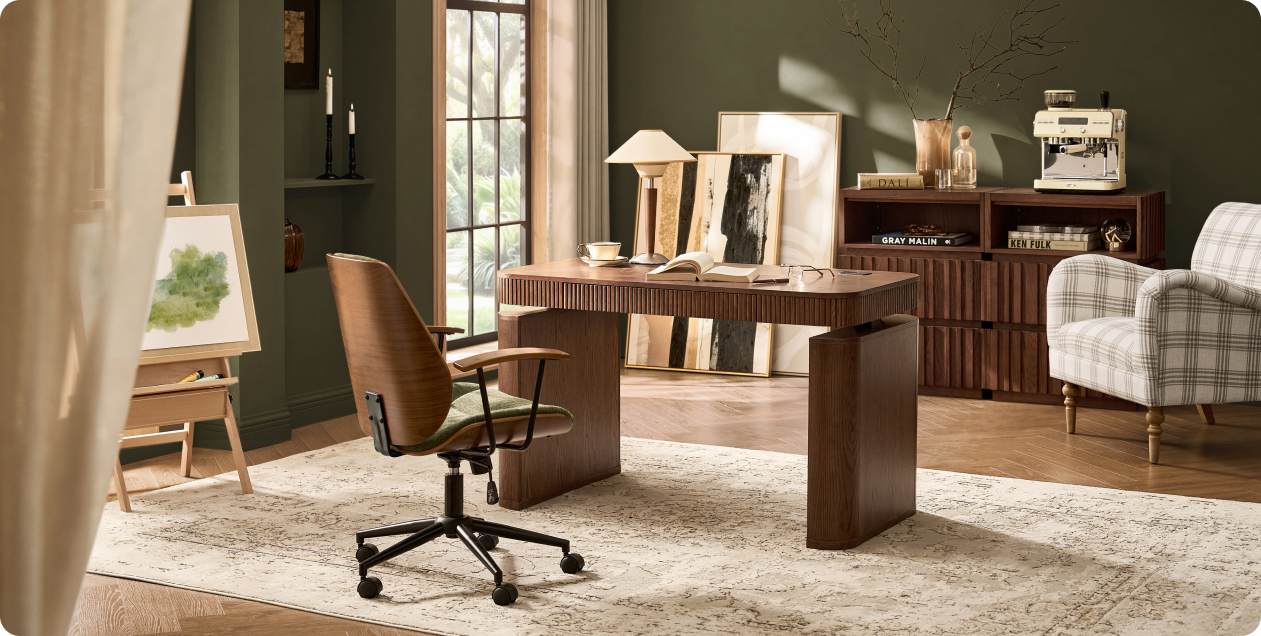
In today’s working from home culture, the question is no longer whether we have a workspace—it’s how well that space supports us. As more people look to refine their routines and environments, the conversation around posture has come into sharper focus.
Search trends around Back Pain Relief, Healthy Work Habits, and Home Office Upgrade all point to the same underlying shift: a growing awareness that the way we work physically shapes how we feel, think, and perform.
At the centre of this conversation sits a familiar question: sitting vs standing. But the answer, as it turns out, is less about choosing one over the other, and more about understanding the balance between them.
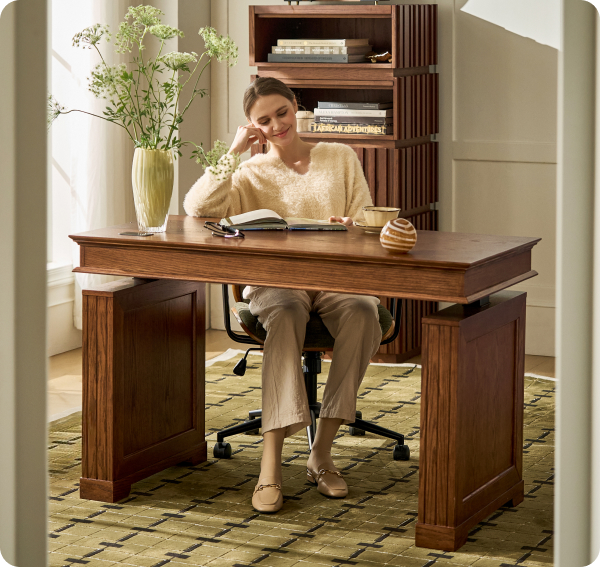
1. Sitting vs Standing: Moving Beyond the Binary
p>For years, sitting has been the default posture of work. It’s comfortable and easy to sustain for long stretches of sitting. Yet over time, prolonged sitting can lead to stiffness, fatigue, and a gradual loss of physical awareness—especially in home office setups that weren’t originally designed for full-time use.
Standing desks emerged as a response, offering a more active alternative. And while standing can support circulation and engagement, it is not a perfect substitute. Remaining upright for too long can bring its own kind of strain.
What science increasingly suggests is simple, yet often overlooked:
the body performs best not in stillness, but in variation.
Rather than asking which is better, a more useful question becomes:
how often are we moving between the two?
2. The Real Benefit: A More Dynamic Way of Working
The real benefit of a standing desk lies not in standing alone. They lie in its ability to support movement throughout the day.
A standing electric desk allows you to alternate positions with ease, without interrupting your workflow or requiring conscious effort. This subtle flexibility changes the nature of your workday:
●Sitting becomes more intentional, not default.
●Standing becomes a reset, not a rule.
●Movement becomes integrated, not scheduled.
Over time, these small shifts contribute to better alignment, improved comfort, and a more sustainable sense of focus. For many, this is where Back Pain Relief begins—not through a single correction, but through consistent variation.
3. Healthy Work Habits Start with the Environment
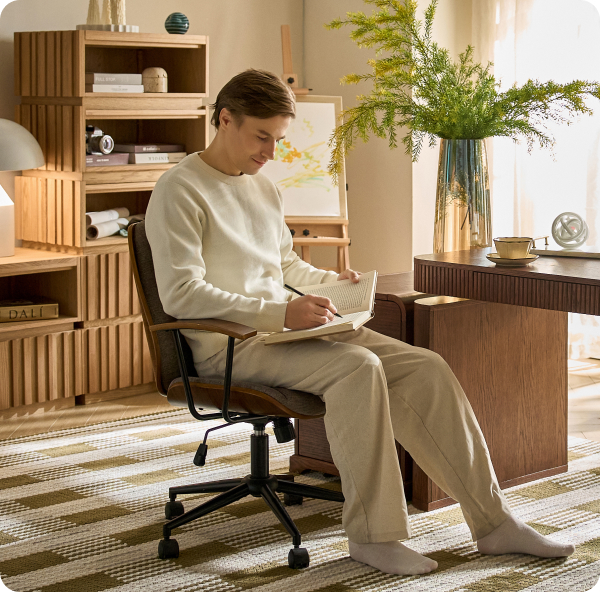
Habits are often framed as something we build through discipline. But in reality, they are just as influenced by the spaces we inhabit. A well-designed workspace doesn’t force better behaviour, it makes it easier.
In this sense, a Home Office Upgrade is not simply about aesthetics or added functionality. It’s about creating an environment that encourages Healthy Work Habits naturally. When your desk adjusts effortlessly, you’re more likely to use it. When movement feels seamless, it becomes part of your routine.
This is where design begins to intersect with wellbeing, not as an afterthought, but as a foundation.
4. The Role of Material: Why Experience Still Matters
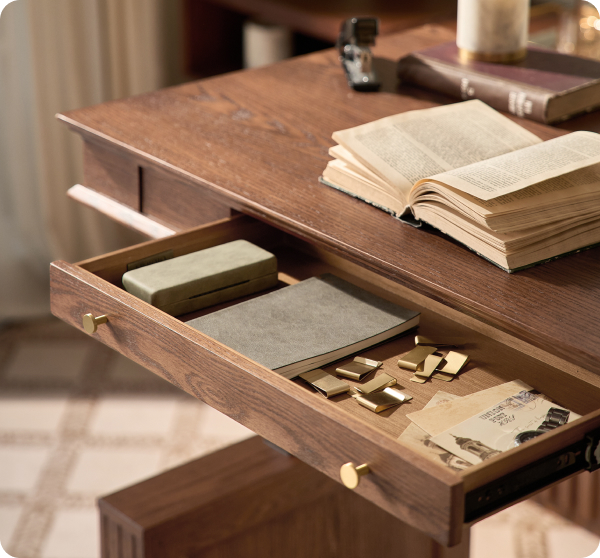
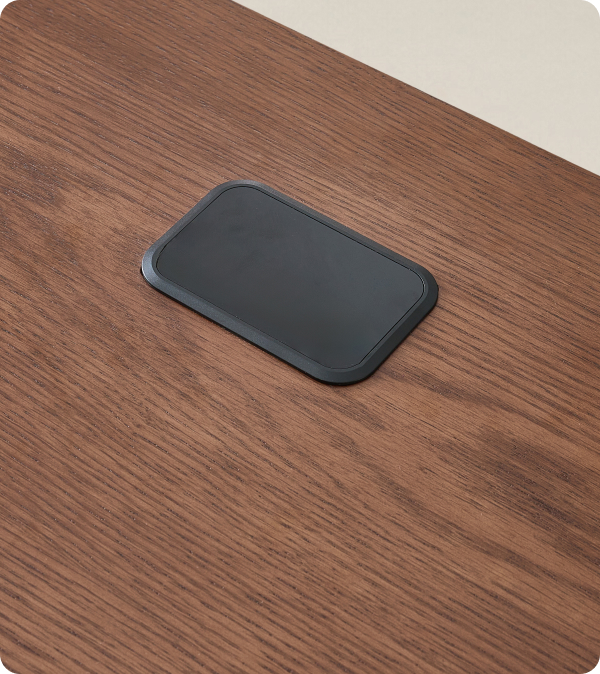
While adjustability defines how a desk functions, material defines how it feels to use.
A workspace is more than a collection of tools, it’s a sensory environment. The surface you rest your hands on, the visual weight of the desk in the room, the way it reflects light or absorbs it—all of these elements shape your daily experience.
●Visual clarity influences focus.
●Tactile surfaces affect comfort and perception.
●Material weight creates a sense of stability.
In modern interiors, cleaner finishes can bring a sense of openness and mental clarity. In more lived-in spaces, warmer textures introduce softness, making work feel less separate from daily life.
When paired with a dynamic structure, these materials create a balance:
movement supported by stability, flexibility grounded in presence.
5. Two Ways of Living with a Standing Electric Desk
Not every home office looks the same, and neither should every desk. Different interiors call for different expressions of the same core idea: flexibility.
For a Clean, Contemporary Home Office
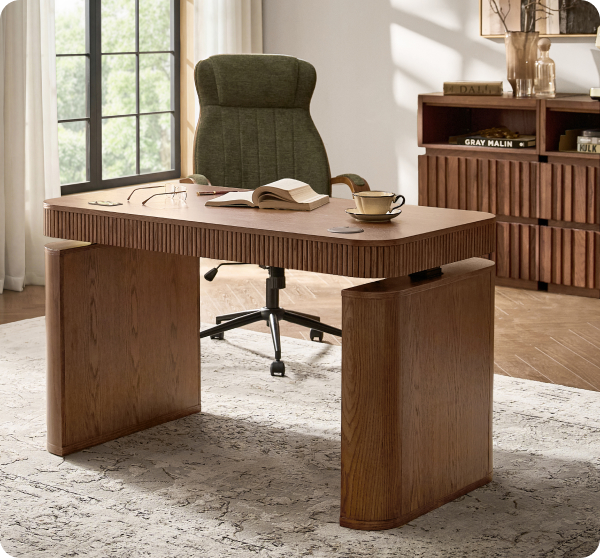
The Baggio Electric Height Adjustable Desk is designed with visual lightness in mind.
●Streamlined Silhouette
●Minimal Structure
●Effortless Height Transitions
It integrates naturally into modern environments where clarity and simplicity are key, supporting movement without adding visual weight.
For a Warmer, More Lived-In Setting
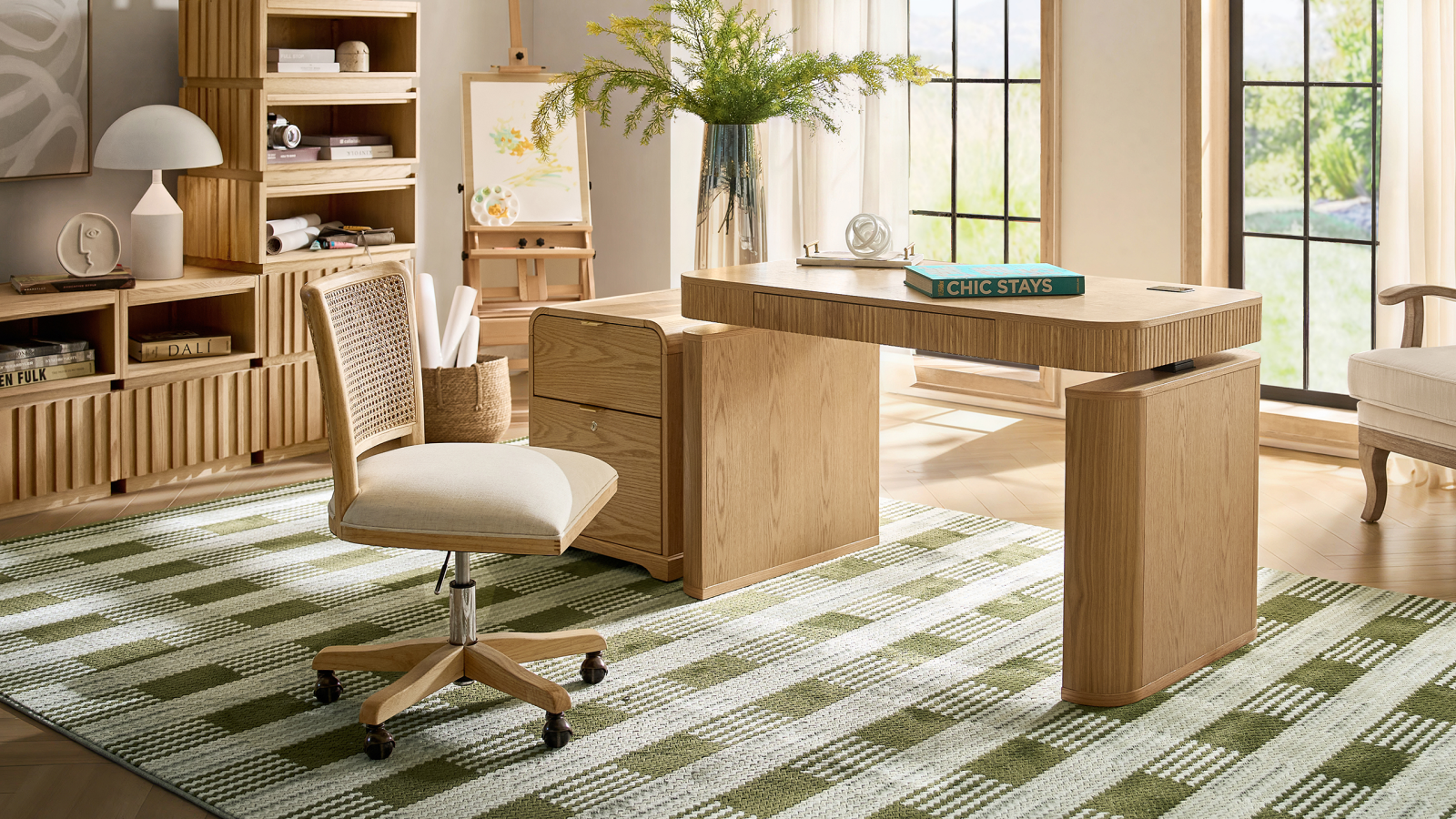
The Julia Farmhouse Electric Height Adjustable Desk offers a more grounded presence.
●Softer, More Tactile Materiality
●A Sense of Warmth and Familiarity
●Designed to Blend into everyday living spaces
It’s particularly suited to homes where the office is not a separate room, but part of a shared environment.
A Shared Philosophy
Despite their differences, both sit stand desks are built around the same principle:
Adaptive Design, Effortless Living.
6. From Movement to Routine: Building Healthier Workdays
A Wellness Routine is often associated with dedicated time—morning rituals, exercise, or intentional rest. But increasingly, it’s also shaped by what happens in between.
The hours spent working form a significant part of the day. Within that time, small physical adjustments—standing during a call, shifting posture between tasks, raising or lowering your desk—can have a lasting impact.
These small transitions may seem minor, but they accumulate over time—supporting Healthy Work Habits in a way that feels intuitive.
A standing electric desk becomes part of this rhythm, supporting movement, encouraging awareness, and contributing quietly to a more balanced way of living.
The conversation around sitting vs standing is not about choosing one over the other. It’s about designing a life that responds more naturally to the way we live.
Because sometimes the smallest shift can change everything:
the freedom to move without thinking about it.
-(1).jpeg?w=2569&h=1427)



.png?w=614&h=180)
.png?w=1180&h=80)