When choosing a bed, most people focus on mattress size, comfort and the overall look of the frame. However, the headboard also plays an important role in how a bed looks and functions. In recent years, modular headboards have become an option for people who want a bedroom that feels more personalised and works with their changing needs.
But what exactly is a bed frame with a modular headboard? How does it differ from a traditional bed, and is it worth considering for your home?
This guide explains how modular headboards work, their potential benefits and limitations, and what to look for when choosing one.
What Is a Bed Frame with a Modular Headboard?
A bed frame with a modular headboard is a bed designed with a headboard made from separate sections or components rather than a single, fixed piece. Depending on the design, these sections may be arranged, combined or configured in different ways to create a particular appearance or fit a specific bedroom layout.
The word modular generally refers to a design made from individual components that work together as a larger system. In bedroom furniture, this can mean separate upholstered panels, interchangeable sections or a bed structure designed to accommodate different components.
However, modular headboards do not all work in the same way. Some offer genuine flexibility in how the headboard is arranged, while others use a segmented design mainly for visual effect. It is important to check the manufacturer's specifications rather than assume every modular headboard can be rearranged or expanded.
A bed frame with a modular headboard typically combines two main elements:
- Bed frame: The structural base that supports the mattress, often incorporating side rails and a slatted foundation.
- Modular headboard: The section behind the pillows, constructed from separate panels or components that form the headboard's overall shape and appearance.
Some designs also feature upholstered frames, creating a coordinated look between the headboard and the rest of the bed.
How Does a Modular Headboard Differ from a Traditional Headboard?
The main difference is the way the headboard is designed and constructed. A traditional headboard is usually made as one continuous panel, whereas a modular headboard consists of multiple sections or components.
|
Feature |
Traditional headboard |
Modular headboard |
|
Construction |
Usually one fixed panel |
Multiple sections or components |
|
Appearance |
A continuous design |
May feature separate panels or a layered appearance |
|
Configuration |
Generally fixed |
May offer different arrangements, depending on the design |
|
Replacement |
Often requires replacing or reupholstering the whole headboard |
Individual components may be replaceable if designed for it |
|
Customisation |
Mainly through size, material and style |
May include additional configuration options |
Neither option is automatically better. A traditional headboard can be a practical choice for someone who prefers a straightforward, permanent design. A modular headboard may appeal to people who value component-based construction or want more flexibility in their bedroom furniture.
The important distinction is whether the modular design offers practical benefits beyond its appearance.

What Are the Benefits of a Bed Frame with a Modular Headboard?
1. More Design Flexibility
A modular headboard can introduce more visual variety than a single-panel design. Separate upholstered sections, for example, can create a layered appearance that adds texture and depth to a bedroom.
Depending on the product, modular components may also allow the headboard's configuration to change. This can be useful if you want to adjust the appearance of your bedroom without replacing the entire bed.
Before buying, check whether the panels can actually be rearranged or whether they are permanently assembled in one configuration.
2. A Softer Surface for Everyday Use
Many modular headboards are upholstered, using fabric over padding to create a softer surface than bare wood or metal.
This can make a difference if you regularly sit up in bed to read, watch television or use a laptop. A padded headboard offers a more comfortable surface to lean against, although the level of support depends on its padding, shape and height.
If you plan to use your bed for activities beyond sleeping, consider the headboard's height and whether its surface provides enough support for your usual sitting position.
3. Potentially Easier Component Replacement
One possible advantage of modular construction is that individual components may be easier to replace than a complete headboard. For example, a design with independently removable panels could allow a damaged section to be replaced without changing the entire structure.
However, this benefit depends entirely on how the bed is engineered. A headboard made from several sections does not necessarily have removable or interchangeable parts.
If long-term maintenance matters to you, look for information about replacement panels, spare parts, attachment methods and warranty coverage before making a decision.
4. A Coordinated Bedroom Design
A modular upholstered headboard can help establish a consistent look in the bedroom, particularly when its materials and colours match the bed frame.
This can be useful in contemporary bedrooms where the bed serves as the main visual feature. Neutral upholstery, simple panel shapes and clean lines can also work with a variety of bedding and decorative styles.
Still, a modular headboard is not essential for creating a coordinated bedroom. A conventional upholstered or wooden headboard can achieve a similar result.
Are There Any Disadvantages to Consider?
Although modular headboards offer some interesting design possibilities, there are a few practical considerations worth understanding before buying.
Cost and Complexity
A modular design may involve more components, connectors or specialised construction than a simple headboard. Depending on the product, this can increase the initial cost or make assembly more involved.
Compare the complete price of the bed, including the frame, headboard and any optional components. Do not assume that a modular design will be cheaper to maintain or upgrade unless replacement parts are available.

Assembly and Stability
Beds need to remain stable under everyday use. A modular headboard with multiple connections may require careful assembly to ensure that each component is securely attached.
Check the assembly instructions and follow the manufacturer's guidance. If the headboard attaches to the wall rather than the bed frame, confirm that the mounting system is suitable for your wall type.
Cleaning and Maintenance
Upholstered headboards can collect dust, hair and everyday marks, particularly around the areas where pillows and hands frequently make contact.
The cleaning method depends on the fabric and construction. Some materials can be vacuumed or spot-cleaned, while others require more specific care. If individual covers or panels are removable, check whether they can be cleaned separately and whether the manufacturer permits machine washing.
Limited Compatibility
Not every modular headboard fits every bed frame. Attachment points, frame width, headboard height and the overall construction can differ between manufacturers.
If you intend to use a modular headboard with an existing bed, check the mounting specifications carefully. Buying a complete bed and headboard system designed to work together may be simpler than combining separate components.
What Should You Look for When Choosing a Modular Headboard Bed?
The best bed is not necessarily the one with the most adjustable features. It is the one that meets your sleeping needs, fits your space and remains practical to maintain.
Consider these factors before choosing a bed frame with a modular headboard.
1. Bed Size and Room Dimensions
Start with the size of your mattress and the available floor space. Measure the room carefully, allowing enough clearance around the bed for walking, opening drawers and accessing wardrobes.
Remember that the overall width of a bed can be greater than the mattress width, especially when the frame and headboard extend beyond the mattress edges.
2. Mattress Support
The bed frame's structure is more important to everyday use than the headboard's appearance. Check the type of mattress support provided, including the slats, central support and stated weight capacity.
Different mattresses have different requirements for base support and slat spacing. Follow the mattress manufacturer's recommendations to help maintain proper support and avoid potential warranty issues.
3. Headboard Height and Comfort
A taller headboard can create a stronger visual focal point, while a lower design may suit rooms with limited wall space or lower ceilings.
If you regularly sit against the headboard, consider its padding, angle and height relative to your pillows. A design that looks attractive in a product photograph may not provide the level of back support you prefer.
4. Upholstery and Durability
Fabric affects both the appearance and maintenance requirements of an upholstered bed.
Consider how the material will perform in your household. For example, homes with pets or young children may benefit from upholstery that is easier to clean and less prone to snagging.
Look for clear care instructions and, where available, information about fabric durability. Colour and texture matter, but they should not be the only factors guiding your decision.
5. Modularity in Practice
Ask what the word modular actually means for the specific bed you are considering.
Can the headboard panels be rearranged? Can individual sections be replaced? Are additional components available? Does the design allow for future changes, or is the modular construction primarily decorative?
These questions help distinguish a genuinely adaptable furniture system from a headboard that simply has a segmented appearance.
How Does a Modular Upholstered Bed Fit into a Modern Bedroom?
Modular upholstered beds combine the soft appearance of fabric furniture with a component-based design. They can suit bedrooms where comfort, texture and a considered layout are important.
For example, a bedroom used primarily for sleeping may need only a simple headboard and a supportive frame. In a room where people also read, work occasionally or relax before bed, a padded headboard may provide additional comfort.

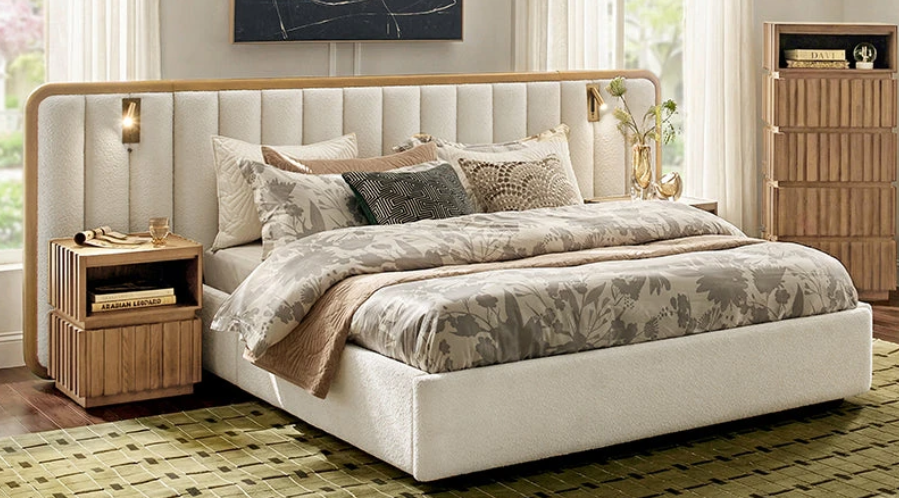
One example is the Moro Modular Upholstered Bed from HULALA HOME. It provides a relevant reference point for anyone exploring modular upholstered bed designs. When evaluating a bed like this, consider its construction, dimensions, upholstery, mattress support and assembly requirements alongside its overall appearance.
The wider lesson is that a modular design should be assessed according to what its components actually allow you to do. A well-designed bed should meet your practical needs first, with its appearance and configuration offering additional value rather than serving as substitutes for structural quality.
Is a Bed Frame with a Modular Headboard Right for You?
A modular headboard bed may be worth considering if you appreciate upholstered furniture, prefer a more layered design or want the option to change certain components over time.
It may be less suitable if you prefer a very simple bed, need a low-maintenance frame or do not expect to use any configuration options. In those situations, a traditional headboard may offer everything you need with less complexity.
Before deciding, think about how you use your bedroom, how long you expect to keep the bed and which features will genuinely make a difference to your daily routine.
A modular headboard is most useful when its flexibility serves a real purpose. If the design does not offer meaningful advantages for your needs, there is no reason to choose it simply because it is described as modular.
Frequently Asked Questions
Is a modular headboard better than a traditional headboard?
Not necessarily. A modular headboard may offer additional configuration or component-replacement options, depending on its design. A traditional headboard can be simpler to assemble and maintain. The right choice depends on your preferences, budget and intended use.
Can you change the panels on a modular headboard?
Some designs allow individual panels to be rearranged or replaced, while others do not. Check the product specifications and ask the manufacturer whether the panels are removable, interchangeable or available as spare parts.
Are modular upholstered beds comfortable?
Comfort depends on the padding, fabric, headboard shape and how you use the bed. Upholstered headboards generally provide a softer surface to lean against than bare wood or metal, but they do not replace the support provided by a suitable mattress and bed base.
Are modular headboards difficult to assemble?
Assembly requirements vary. Designs with several components may require more steps than a one-piece headboard. Review the instructions, check which tools are needed and ensure that every connection is secured as directed.
Can a modular headboard fit an existing bed frame?
Sometimes, but compatibility is not guaranteed. You need to check the frame width, attachment points, mounting method and structural requirements. A headboard designed for a particular bed system may not fit a different frame without an approved adapter.
Do modular headboards take up more space?
Not always. Their overall footprint depends on the design and dimensions. Some have a similar footprint to conventional headboards, while wider panels or extended side sections may require additional wall and floor space. Always check the full dimensions rather than relying on the mattress size alone.
Final Thoughts
A bed frame with a modular headboard is a design option that combines a bed's structural foundation with a headboard made from multiple components or sections. Depending on the construction, it may provide greater design flexibility, a softer upholstered surface or the possibility of replacing individual parts.
However, modularity alone does not guarantee better comfort, greater durability or easier maintenance. Mattress support, structural stability, material quality and compatibility remain essential considerations.
By understanding what a particular design actually offers, you can choose a bed that suits your bedroom and daily habits rather than paying for features you may never use.