
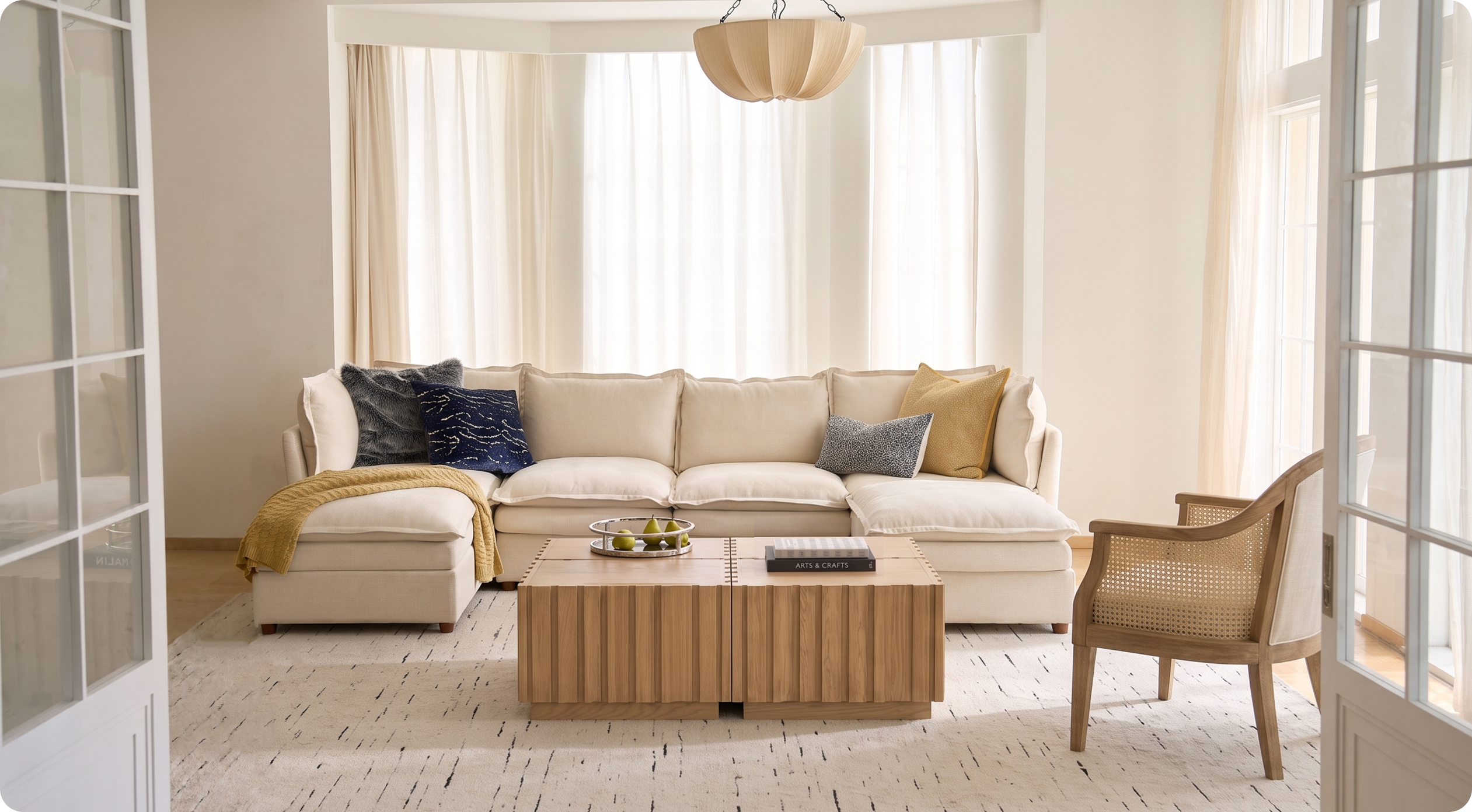
When planning storage for a UK home, the choice often comes down to modular storage or traditional cabinets. Both options can work well, but they suit different lifestyles and room layouts.
Modular storage is designed to adapt as your needs change, while traditional cabinets offer a fixed, furniture-like appearance that can feel more established. The best choice depends on how long you plan to stay in your home, how often your storage needs change, and how important flexibility is to your household.
What Is Traditional Cabinet Storage?
Traditional cabinets are single-piece units built to a fixed design. Common examples include sideboards, wardrobes, chest of drawers, and freestanding bookcases.
These pieces are usually purchased as complete items and are not intended to be rearranged or expanded later. They work particularly well in homes where the room layout is stable and the storage requirements are already well defined.
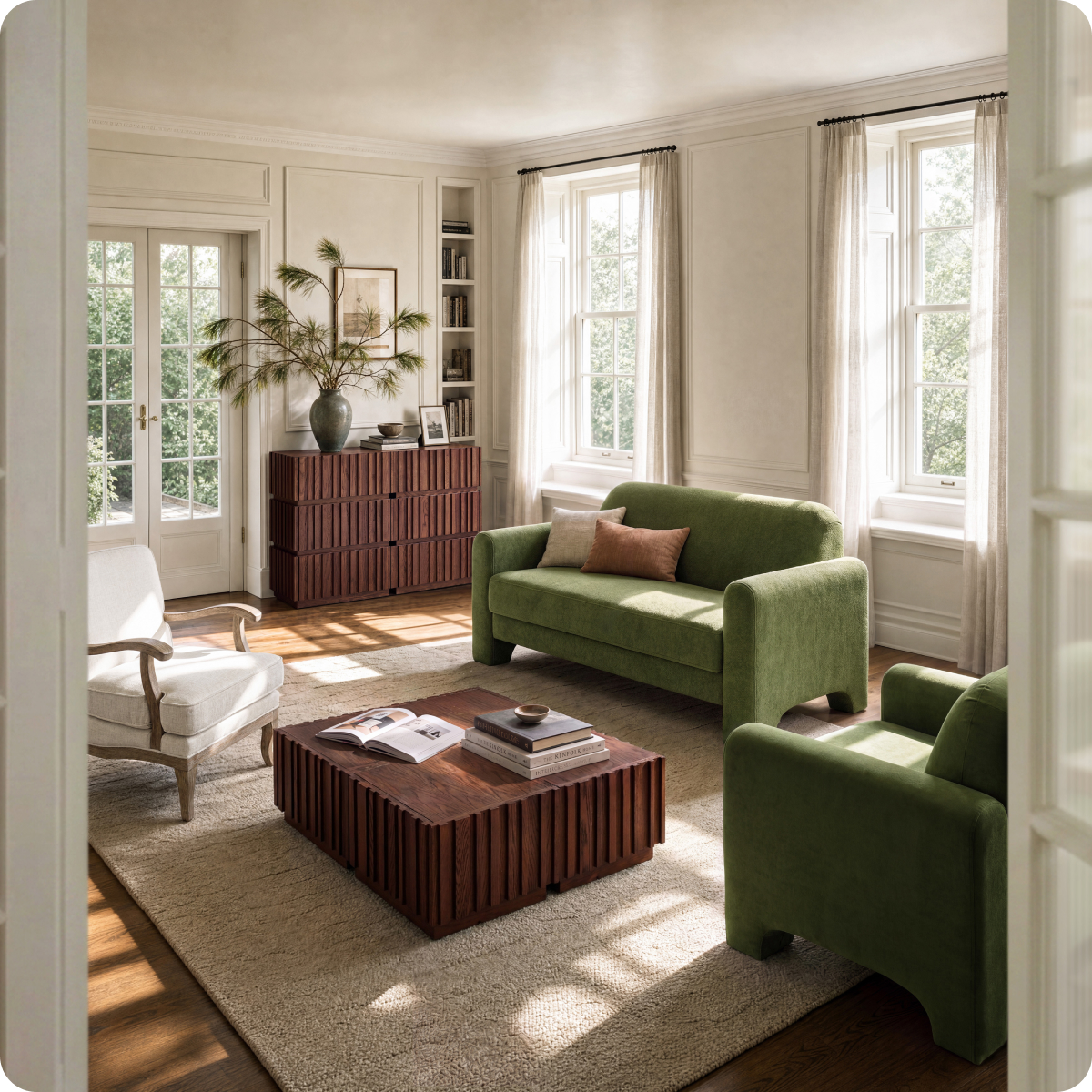
What Is Modular Storage?
Modular storage is made up of separate components that can be combined, stacked, or rearranged. This might include storage cubes, drawer units, open shelves, or modular cabinet sections.
The main advantage is flexibility. A modular system can start as a small bedside unit and later expand into a larger wall of storage, making it especially useful in UK homes where room layouts and storage needs may change over time.
Flexibility and Adaptability
Modular storage has a clear advantage when flexibility is important. Because the components can be rearranged, the same system can adapt to different rooms and new storage requirements.
For renters or people who move frequently, this can provide real long-term value. A modular system that works in one flat can often be reconfigured to suit another, whereas a traditional cabinet may not fit as neatly in a new space.
Cost and Long-Term Value
Traditional cabinets often have a lower upfront cost. A well-made freestanding wardrobe or sideboard can be a straightforward purchase when you know exactly what you need.
Modular storage systems may cost more initially because they are designed to be expanded and customised. However, over time they can represent better value, as you can add new components rather than replacing the entire storage solution when your needs change.
Appearance and Room Style
Traditional cabinets often create a more cohesive, furniture-like appearance. A single well-designed sideboard or wardrobe can become a strong focal point in a room.
Modular storage can also look refined, but it requires more planning to achieve a consistent finish. The advantage is that it can be tailored to fit awkward spaces, alcoves, and changing room layouts, which is particularly useful in smaller UK homes.
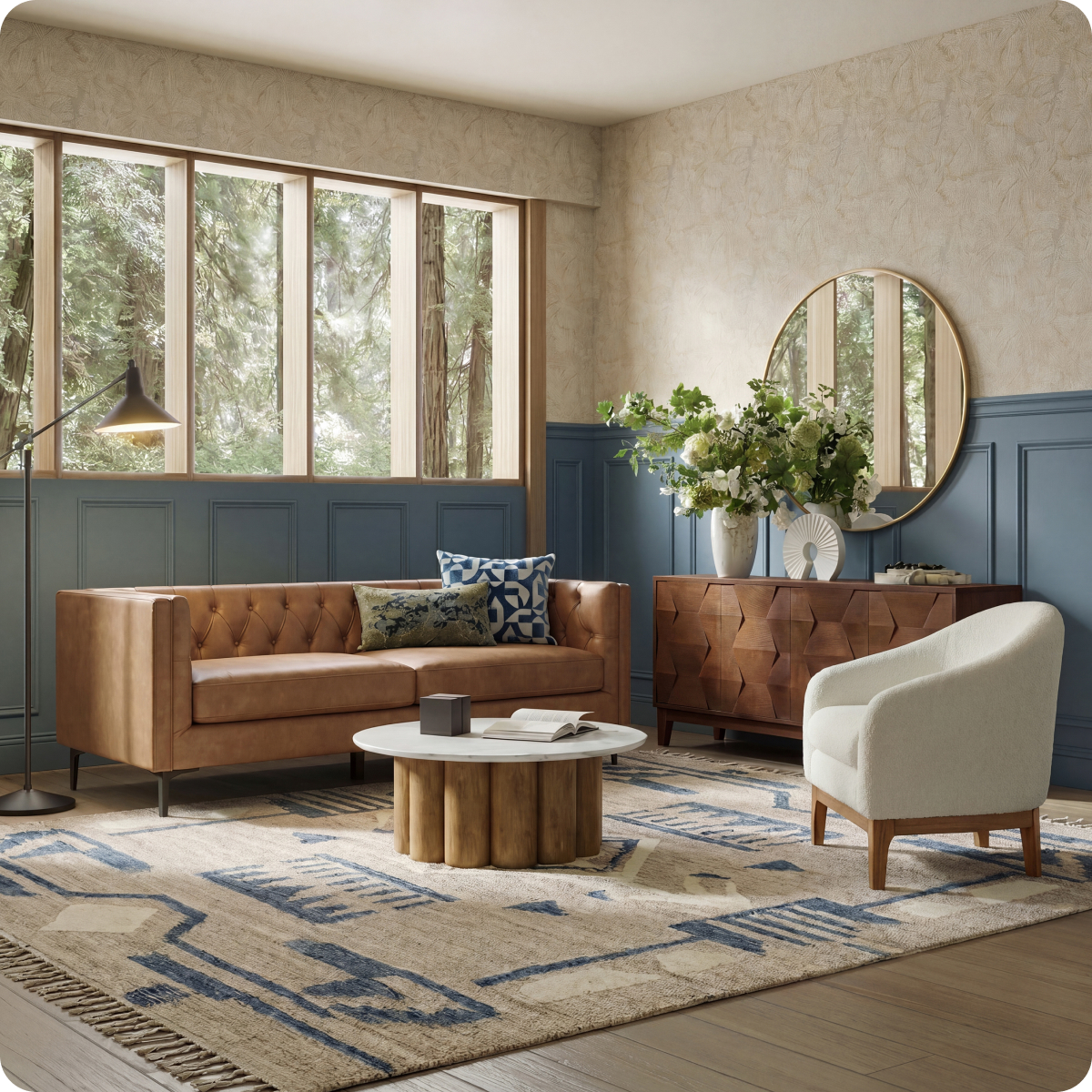
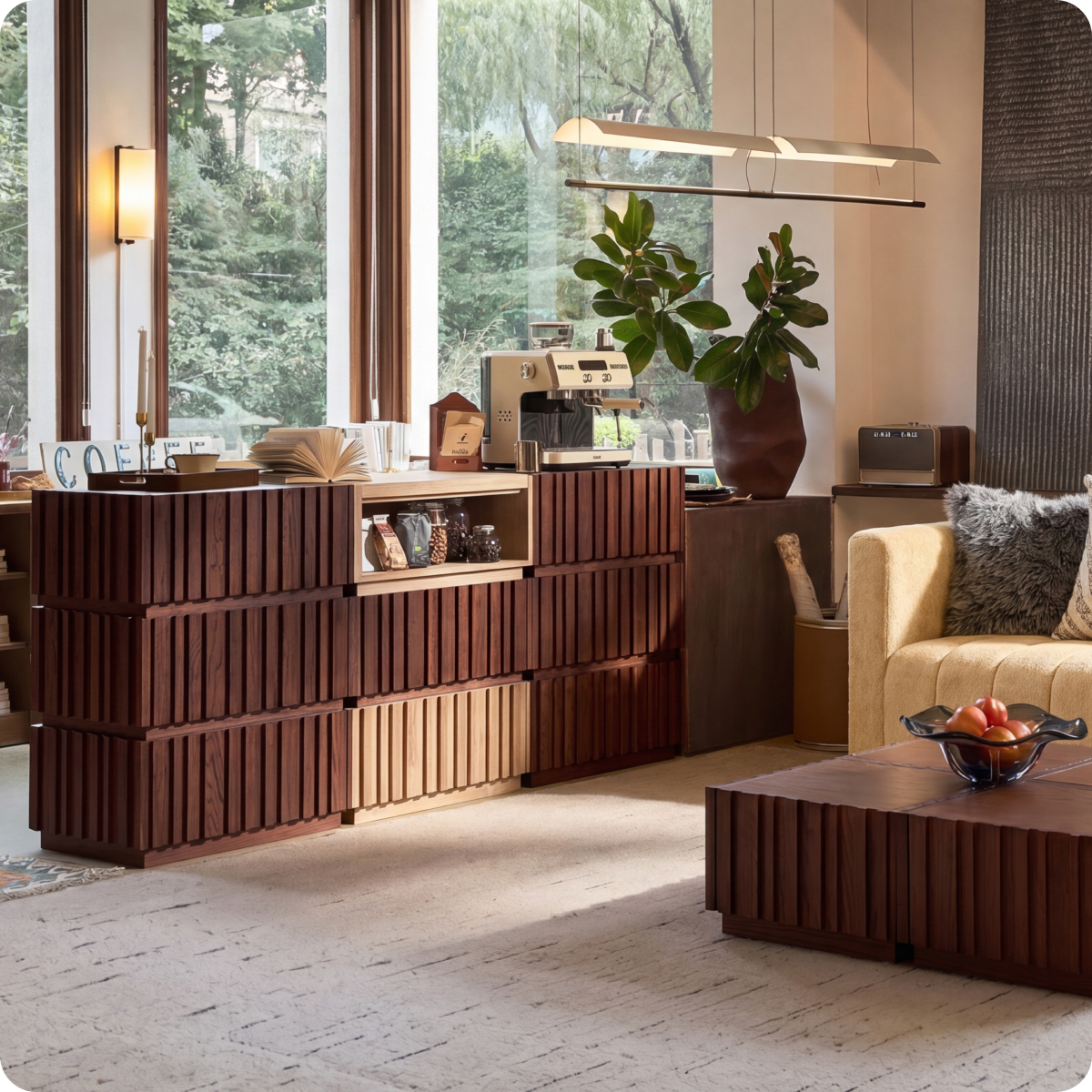
Which Option Works Best by Room?
Bedroom
Modular wardrobes and storage units are often a good choice for UK bedrooms, where room sizes vary and built-in storage may be limited. Traditional wardrobes work best when the bedroom layout is unlikely to change.
Living Room
Traditional sideboards and media units suit living rooms with a stable furniture arrangement. Modular storage is more useful when the room needs to serve multiple purposes, such as storage, display, and home working.
Home Office
In home offices, modular storage is often the better option because storage needs can evolve as work patterns change. Filing units, shelving, and drawer modules can be added or rearranged as required.
Hallway and Utility Areas
Slim modular units can be particularly effective in hallways and utility spaces, where flexibility and efficient use of narrow areas are important.
Featured Hulala Home Products
For homeowners looking for adaptable and stylish storage, Hulala Home offers several products that fit naturally into the modular storage discussion.
Modory Barndo Modular Storage System
The Modory Barndo Modular Storage System is a strong example of modular storage designed for modern UK homes. Its stackable configuration allows you to start with a smaller unit and expand the system as your storage needs grow.
With its fluted detailing, solid wood accents, and FSC-certified materials, it combines farmhouse-inspired style with practical adaptability. It works well in bedrooms, living rooms, and hallways where storage requirements may change over time.
Modory Tessa Modular Storage System
The Modory Tessa Modular Storage System offers a more contemporary take on modular storage. Its clean lines and flexible configuration options make it suitable for modern flats, small bedrooms, and compact living spaces.
Because the units can be mixed and matched, the Tessa range can function as a bedside table, chest of drawers, compact TV unit, or a larger customised storage arrangement.
Archie 2 Door Accent Cabinet with Wine Rack and Adjustable Shelf
For those who prefer a more traditional cabinet style, the Archie 2 Door Accent Cabinet is a versatile option. It combines enclosed storage with adjustable shelving and a built-in wine rack, making it suitable for dining rooms, living rooms, or multipurpose storage areas.
Its mid-century modern design and handcrafted finish give it the cohesive, furniture-like appearance that many homeowners appreciate in traditional cabinetry.
Kamu 152 cm Sideboard: Elegant and Practical Storage
The Kamu 152 cm Sideboard is another strong traditional storage option. With four doors, adjustable interior shelves, and a spacious top surface, it provides substantial storage while maintaining a clean, elegant appearance.
This type of sideboard works particularly well in dining rooms and living rooms where the layout is stable and a single statement storage piece is preferred.
Baggio Modern 2-Drawer Filing Cabinet with Charging
For home office storage, the Baggio Modern 2-Drawer Filing Cabinet with Charging offers a practical blend of traditional cabinet structure and modern functionality. It provides secure A4 file storage while also including built-in USB, Type-C, and power outlets.
This makes it a useful addition to a modular home office setup, where practical storage and charging convenience are equally important.
Conclusion
Modular storage is generally the better choice for UK homes where flexibility, changing room layouts, and evolving storage needs are important. It is particularly useful for renters, small flats, and multifunctional spaces.
Traditional cabinets remain an excellent option for homeowners who have a stable layout and want a cohesive, furniture-like appearance. In many cases, the most practical approach is a combination of both: modular storage in areas that need adaptability, and traditional cabinets in rooms where a fixed, polished look is preferred.
FAQs
Is modular storage worth the extra cost?
In many UK homes, yes. Modular storage can adapt to changing needs, which may reduce the need to replace furniture in the future.
Can I mix modular storage with traditional cabinets?
Yes. Many households combine modular storage in flexible areas such as bedrooms and home offices with traditional cabinets in living rooms or dining areas.
How long does modular storage last?
High-quality modular storage made from durable materials can last for many years, especially when the system is designed to be expanded and reconfigured rather than replaced.
Is modular storage harder to assemble?
It may require slightly more assembly than a single traditional cabinet, but most modular systems are designed with straightforward fittings and clear instructions.
Where can I browse Hulala Home storage options?
You can explore the Hulala Home cabinets and storage collection for both modular and traditional storage options suitable for modern UK homes.





.png?w=614&h=180)

.png?w=1180&h=80)