Most UK homes were never designed with today's routines in mind. A spare bedroom now needs to double as a home office. A living room has to host movie nights and remote meetings. Even a hallway ends up storing shoes, coats, and whatever didn't fit anywhere else. Rather than moving to a bigger property, more people are turning to space-saving furniture that lets existing rooms carry more weight without feeling cluttered or compromised.
Here are seven practical ways to get more out of every room, along with the kind of multi-functional furniture that makes it possible.
1. Choose Seating That Can Change Shape
A fixed sofa dictates the shape of a room for as long as you own it. Modular seating does the opposite, letting you rearrange sections to suit whatever the day calls for. A large L-shaped configuration works for a Saturday get-together, while the same pieces can separate into smaller seats for a quieter week. This kind of flexibility matters most in homes where the living room needs to flex between entertaining space and everyday downtime, which describes a large share of British living rooms.
2. Let Storage Grow With You
One of the most common furniture mistakes is buying storage sized for today's belongings rather than tomorrow's. Modular storage systems avoid this by letting you start with a single unit and add more over time, matching height and depth so everything connects cleanly regardless of when each piece was purchased. This turns storage into something that expands with a household rather than something that needs replacing every few years.
3. Build a Desk That Moves With Your Day
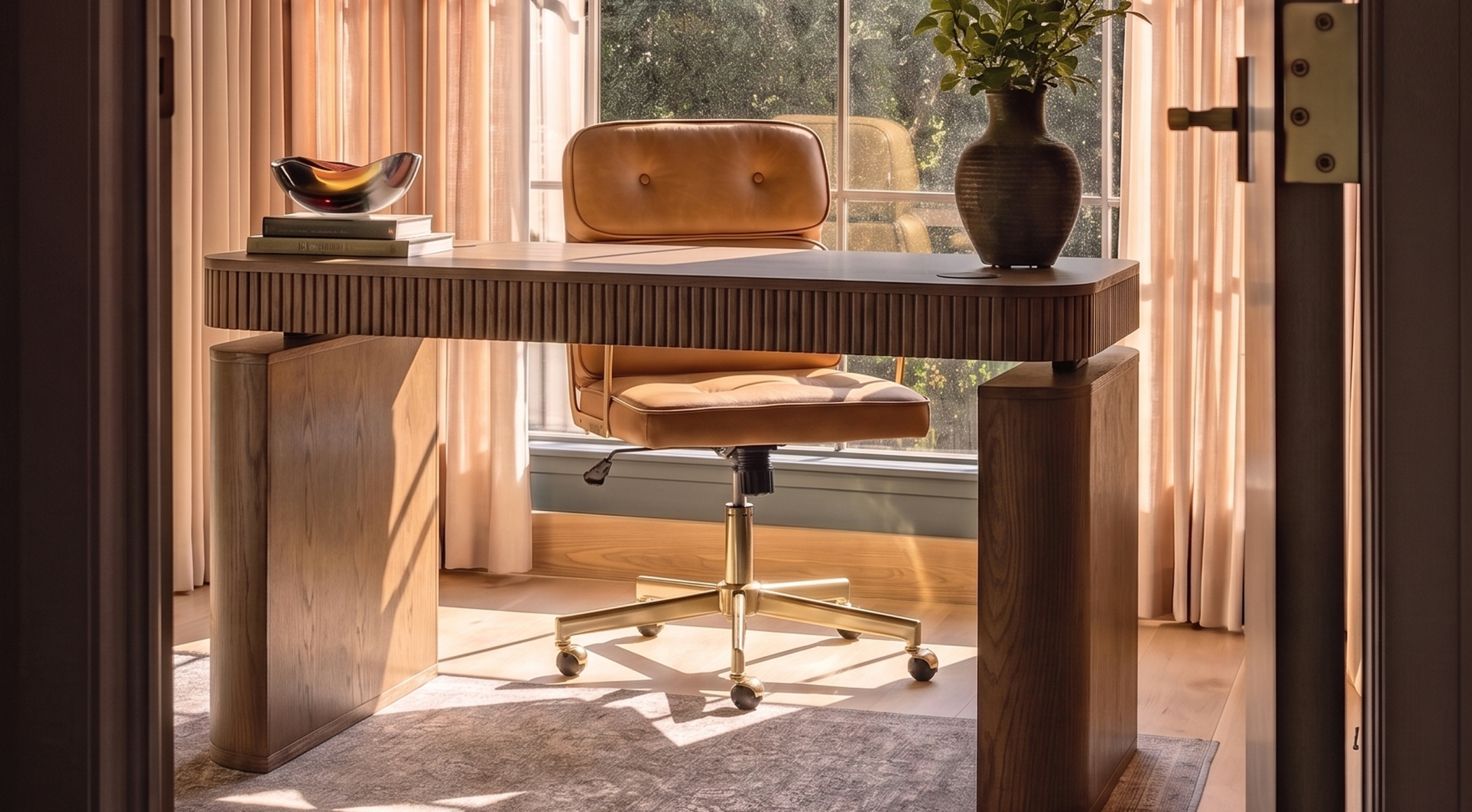
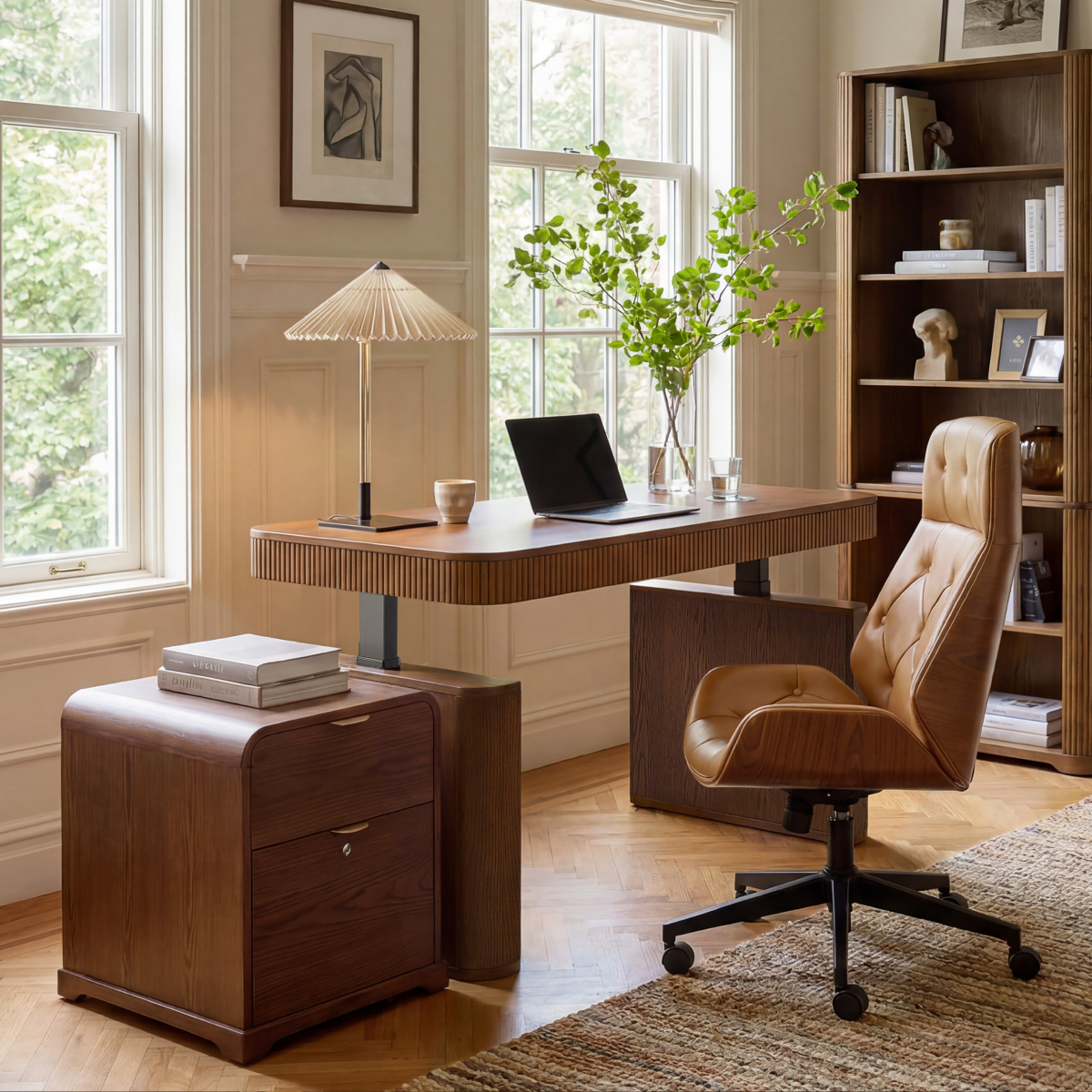
Home offices carved out of spare corners often inherit furniture that wasn't built for all-day use. An electric height-adjustable desk solves a specific problem: sitting all day isn't good for focus or posture, but standing all day isn't realistic either. Desks with memory height presets make switching between the two effortless, and models with integrated cable management keep the workspace looking calm rather than tangled in wires, which matters more in open-plan homes where the desk is visible from other rooms.
4. Give Every Room a Charging Solution
Modern households run on more devices than most furniture was designed to support. A filing cabinet or storage unit with built-in USB and Type-C charging quietly solves the problem of too many devices and not enough sockets near where people actually work or relax. It also removes trailing extension leads from the floor, which is a small but genuine improvement in a busy household with children or pets.
5. Use Furniture That Serves Two Rooms at Once
Some pieces are worth choosing specifically because they aren't locked into one function. A compact storage unit that works equally well as a bedside table, a chest of drawers, or a small TV console gives a household far more flexibility than three separate purchases would. This matters especially in flats and smaller UK homes, where furniture that only does one job is a luxury few rooms can afford.
6. Prioritise Furniture That's Easy to Reconfigure, Not Just Rearrange
There's a difference between furniture you can push around a room and furniture that's actually built to be reconfigured. Tool-free assembly and connection systems mean a piece can be taken apart, expanded, or moved to a different room without needing a toolbox or professional help. This is particularly useful for renters, who benefit from furniture that can adapt to a new flat's layout rather than needing replacement every time they move.
7. Think About Weight and Footprint Before Style
It's tempting to choose furniture purely on looks, but in a space-saving context, dimensions matter just as much. A wider sectional sofa or an oversized desk might photograph well, but if it eats into the walking space around it, the room ends up feeling smaller rather than more functional. Checking a piece's footprint against the actual room, including clearance for doors and drawers to open fully, avoids the common mistake of furniture that looks right online but overwhelms the space in person.
Smart Space-Saving Designs Worth Considering
To see how compact furniture works in practice, it helps to look at how specific pieces solve layout, storage, and footprint challenges in smaller UK homes.
Victoria Modular Sectional Sofa with Storage
This sectional can be configured as a two-seater, four-seater, six-seater, or full eight-seat layout, giving one sofa the flexibility of several. Hidden storage compartments sit under each seat, and the segmented packaging makes it realistic to move through narrower UK stairwells without needing to disassemble a single fixed frame.
Modory Tessa Modular Storage System
Built to function as a bedside table, chest of drawers, or compact TV unit depending on configuration, the Tessa system connects multiple units without tools, as long as they share the same height and depth. It's made from FSC-certified materials and designed specifically for modern flats and smaller bedrooms.
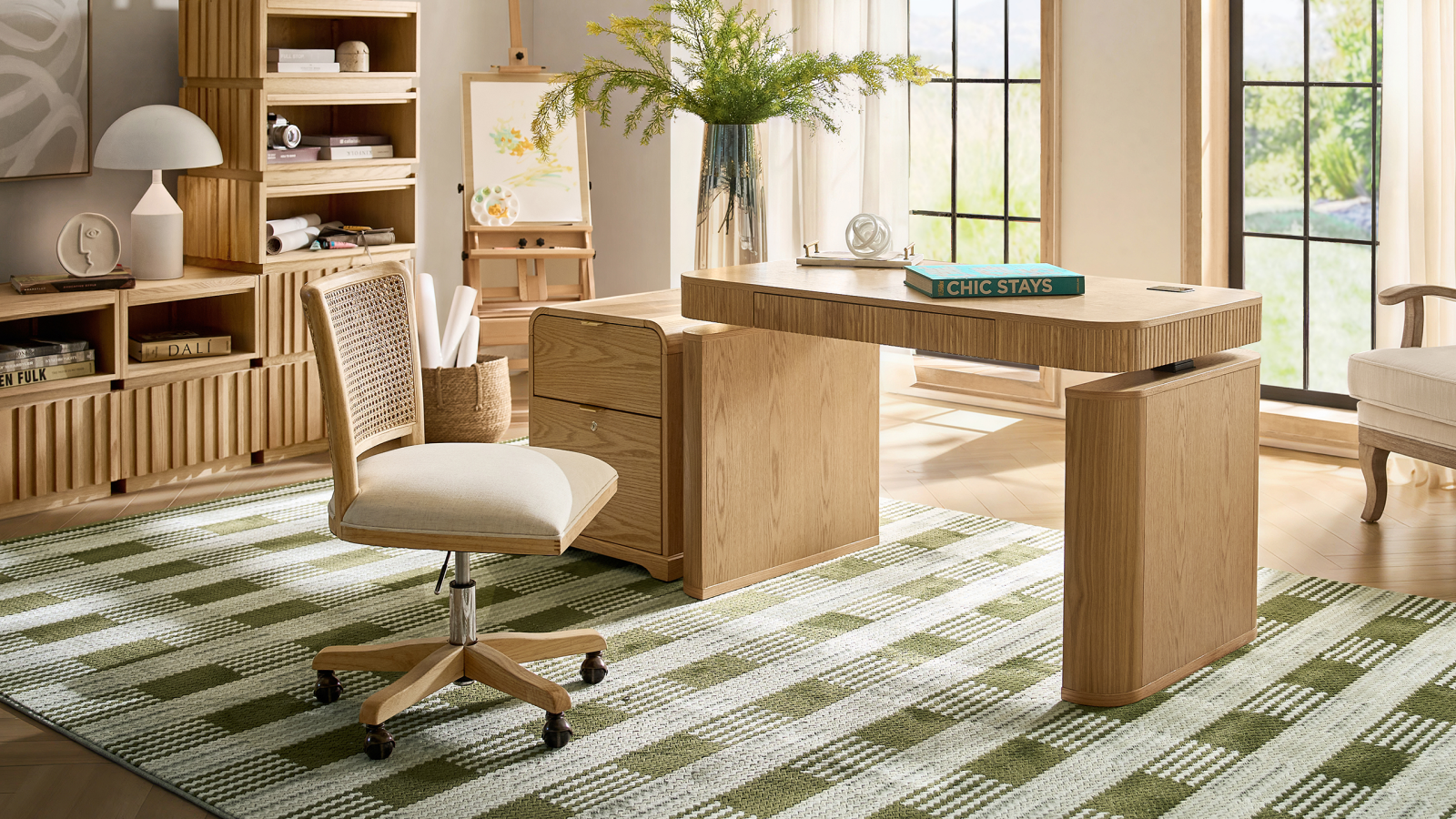
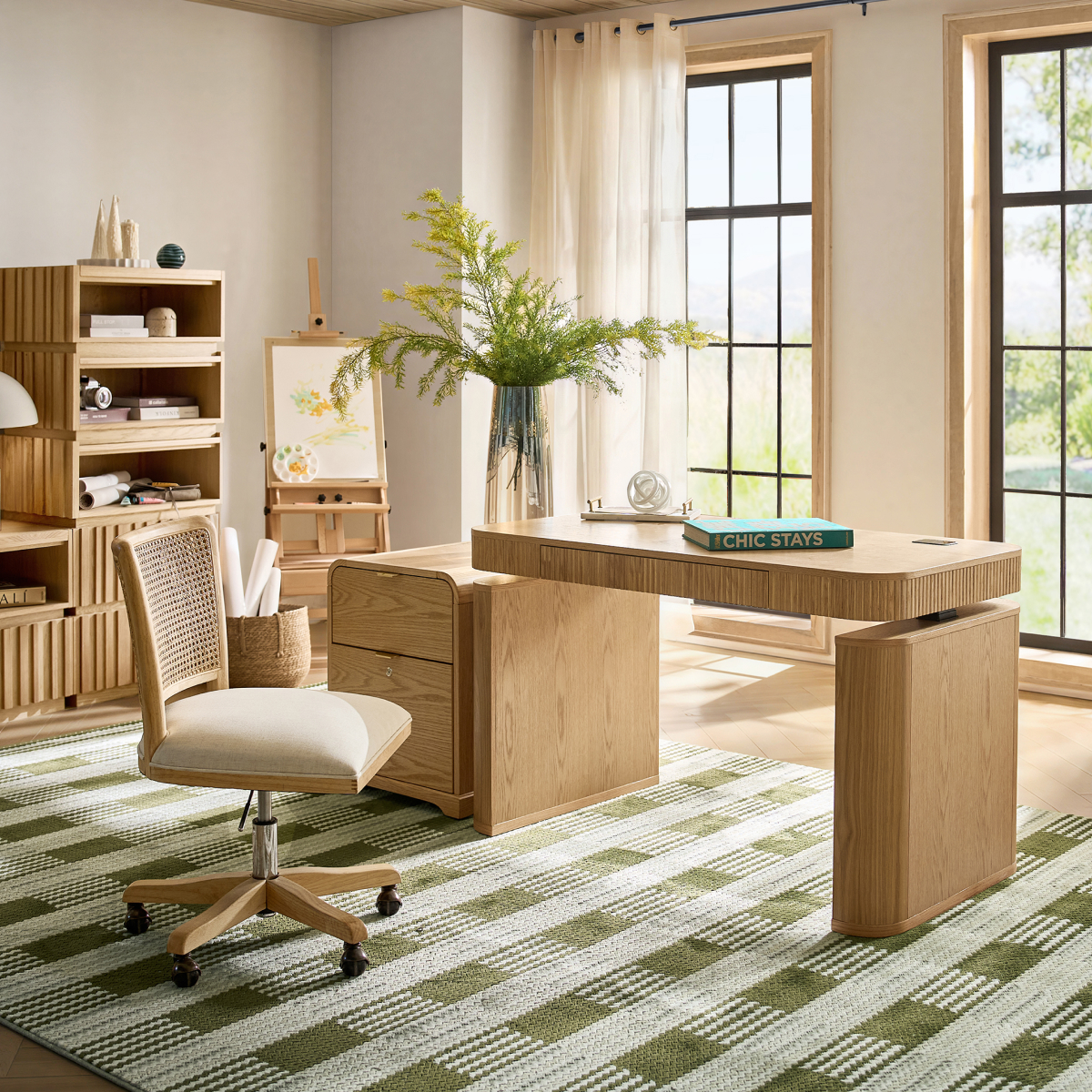
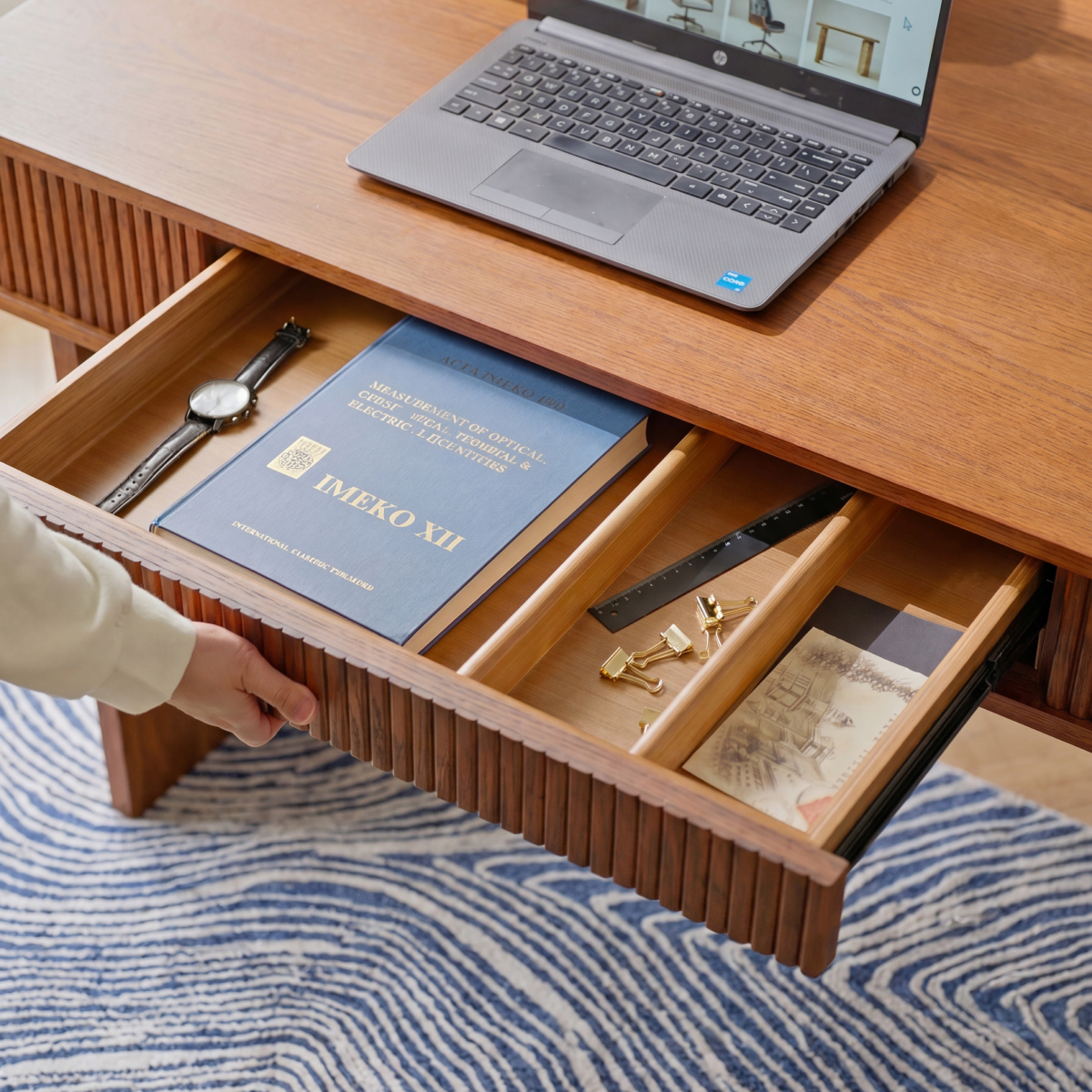
Julia Farmhouse Electric Adjustable Standing Desk with Cable Management
This sit-stand desk includes three memory height presets and a built-in reminder to encourage regular movement through the day. A soft-close drawer and integrated cable management keep the desktop clear, and at 121cm wide, it's sized to fit comfortably into smaller UK home offices rather than demanding a dedicated room.
Baggio Modern 2-Drawer Filing Cabinet with Charging
Built around the charging problem directly, this cabinet includes USB, Type-C, and dual three-prong power outlets on the rear panel, letting devices charge from the storage unit itself. Rounded edges reduce sharp corners in busy households, and the bottom drawer, sized for standard A4 files, includes a metal lock for added security.
Conclusion
Making a home work harder rarely means buying more furniture. It usually means buying smarter, choosing pieces that reconfigure, expand, or serve more than one purpose as needs change. Whether that's a sofa that adapts to different gatherings, storage that grows with a household, or a desk built for how people actually work today, space-saving furniture is less about fitting more into a room and more about making sure nothing in it is doing only one job.
Frequently Asked Questions
What is space-saving furniture?
Space-saving furniture refers to pieces designed to serve more than one function or adapt their form, such as modular sofas, expandable storage systems, or desks that adjust between sitting and standing. The goal is to get more use out of a room without adding more furniture to it.
Is modular furniture worth it for a small UK flat?
It's often especially useful in smaller flats, since pieces that reconfigure or serve multiple purposes reduce how much furniture a room needs overall, which matters more where floor space is limited.
How do I know if a desk will fit my home office space?
Check the desk's full footprint, including its height range if it's adjustable, against the actual room rather than relying on photos alone. Also account for chair clearance and any drawers that need to open fully.
Can modular storage units from different collections be combined?
Generally, units within the same modular range can be connected as long as they share the same height and depth, even if the width varies. Mixing entirely different product lines usually isn't supported, so it's worth checking compatibility before buying additional units.
Do standing desks need much maintenance?
Electric standing desks generally need very little upkeep beyond occasional dusting and checking that cables remain tidy. Most modern models are tested for long-term reliability, though it's worth confirming the warranty coverage on the electrical lift mechanism specifically.