
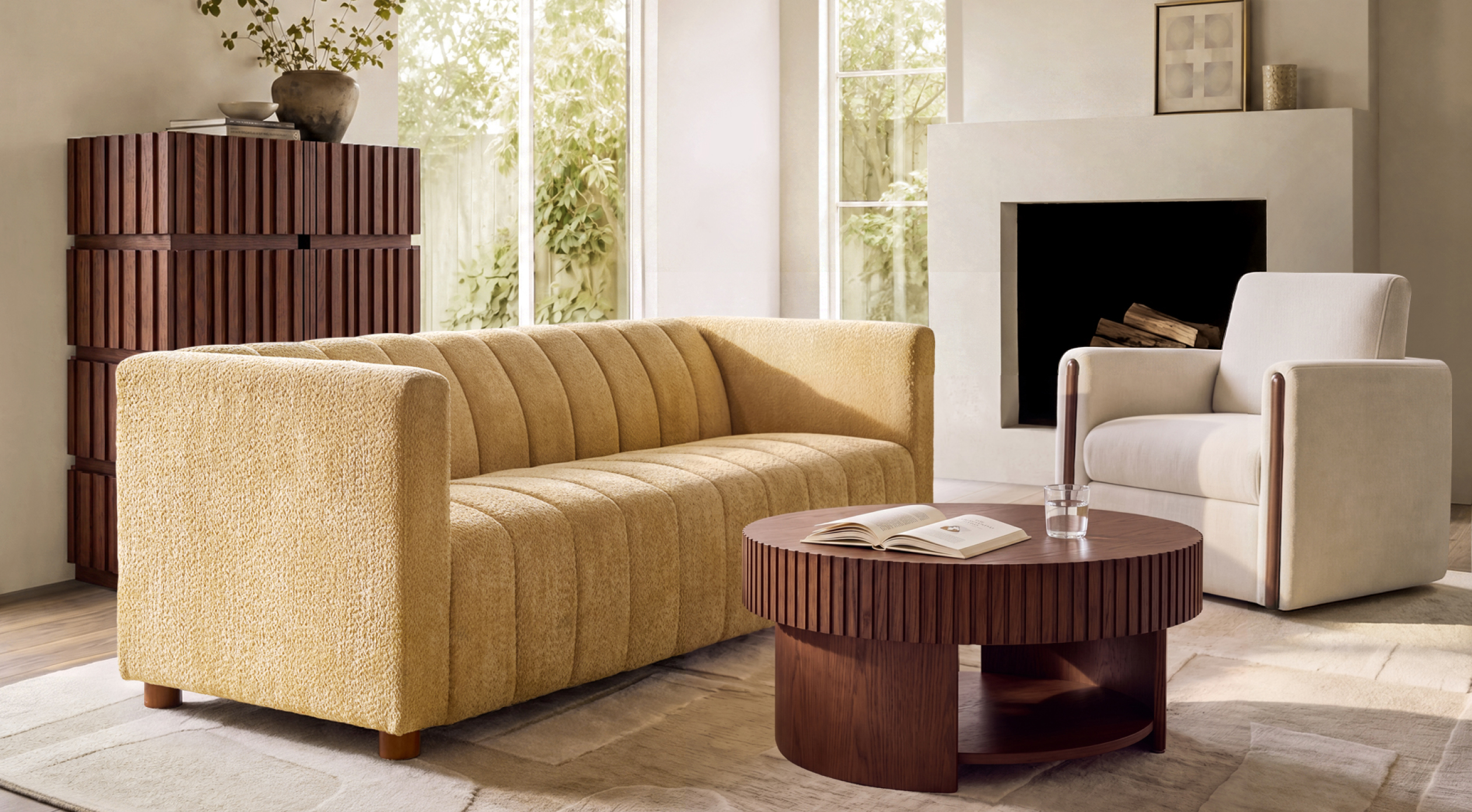
British homes have never been static. A spare room becomes a nursery, a nursery becomes a study, and a full-size living room in a Victorian terrace somehow has to double as a home office by nine every weekday morning. This is exactly why flexible furniture has moved from a niche design trend into something close to a necessity. Instead of buying pieces that lock you into one layout for a decade, more people are choosing modern living room furniture that can shift, expand, or reconfigure as life around it changes.
This isn't just a lifestyle preference. It's a practical response to how UK homes are actually used today.
What Flexible Furniture Actually Means
The term gets used loosely, so it helps to be specific. Flexible furniture covers pieces built to change their form or function without needing to be replaced. That might mean a sofa with sections that detach and rearrange, a storage unit that expands as your belongings grow, or a chair with cushions you can reposition depending on how you're sitting. The common thread is that the furniture adapts to the room, rather than forcing the room to adapt to it.
This matters more in the UK than in many other markets, simply because of housing stock. A large share of British homes were built decades before open-plan living or home offices were standard considerations, which leaves many rooms working harder than they were originally designed to.
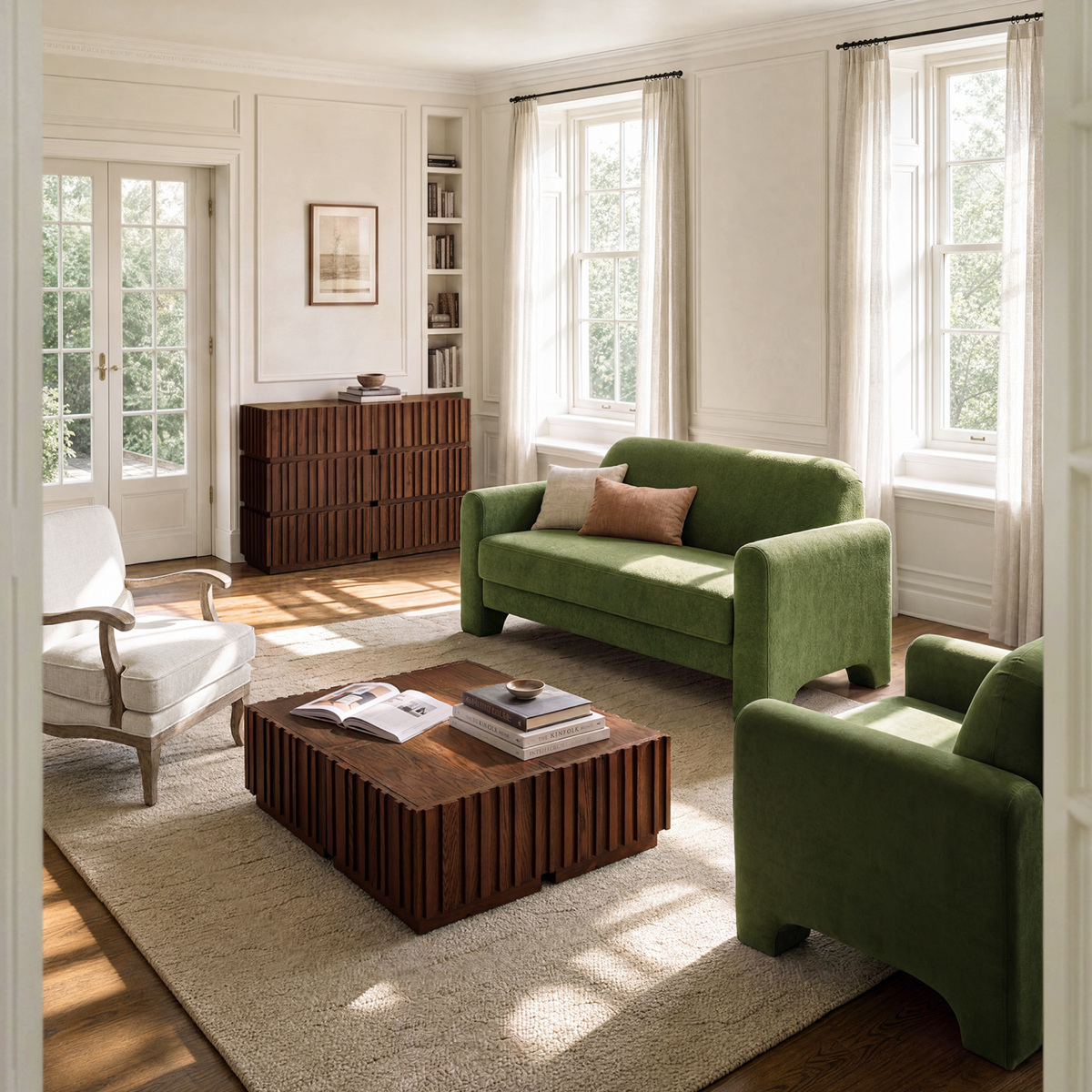
Why Modern Furniture Buyers Are Prioritising Adaptability
A few years ago, furniture shopping usually started with a fixed idea: this room needs a three-seater sofa, that corner needs a sideboard. Increasingly, the starting question is different. People are asking what a piece can become, not just what it currently is.
Part of this shift comes from smaller floor plans and rising numbers of renters, both of whom benefit from furniture that can be reconfigured rather than replaced when circumstances change. Part of it comes from families who need a living room to function as a playroom in the afternoon and an adult space in the evening. Research on small-space living has repeatedly pointed to modular and multi-purpose furniture as one of the more effective ways to make a limited footprint feel workable, since pieces that serve more than one purpose reduce the total amount of furniture a room needs to hold.
There's also a financial logic at play. Flexible pieces tend to have a longer useful life in a household, since they can move with you from a shared flat to a family home without becoming the wrong shape or size for the space.
Modular Sofas: The Clearest Example of Flexible Design
Nowhere is the shift towards adaptability more visible than in sofa design. A traditional three-seater is fixed in shape the day it arrives. A modular sectional, by contrast, is built from individual sections that can be pulled apart and rearranged into an L-shape, a U-shape, or separated entirely into standalone seats.
This matters practically, not just aesthetically. A modular sofa can be configured one way for a housewarming with twelve guests and reconfigured the next morning for a quiet Sunday. It can also move house with you, since individual sections are far easier to get through a narrow stairwell or awkward doorway than one oversized frame.
Modular Storage: Solving the Problem Before It Starts
Flexibility isn't limited to seating. Storage is arguably where adaptable design earns its keep the most, because storage needs rarely stay the same for long. A single professional's shelving needs look nothing like what's required once children, hobbies, or a home office enter the picture.
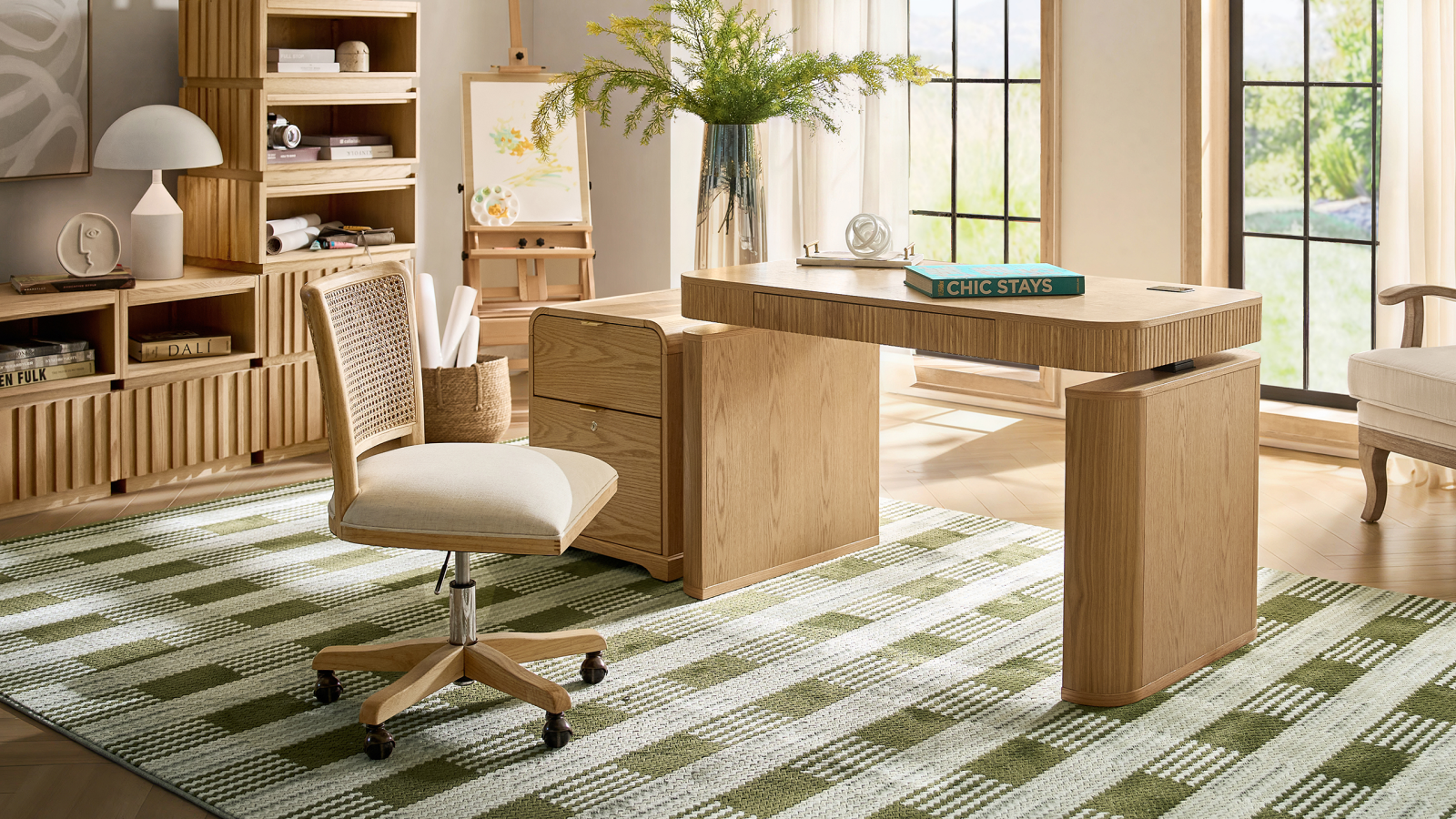
Modular storage systems address this directly. Rather than buying one fixed unit and hoping it lasts, these systems let you start small and add units as needed, matching height and depth so everything connects cleanly regardless of when each piece was purchased. That's a meaningfully different buying experience from a traditional cabinet, which is exactly what it is on day one and stays that way for as long as you own it.
Modern Adaptable Furniture Options Worth Considering
To see how modular design works in real-world layouts, it helps to look at how specific pieces solve space, storage, and mobility challenges in UK homes.
Victoria Modular Sectional Sofa with Storage
This sectional is built around genuine reconfiguration rather than just wide seating. Individual pieces can be arranged as a two-seater, four-seater, six-seater, or full eight-seat layout, so the same sofa can suit a small flat now and a larger family space later. Each seat includes a hidden storage compartment underneath, and 1.5 times wider seats than standard give it a relaxed, oversized feel. Assembly requires no tools, and the segmented packaging makes it realistic to move through tighter UK stairwells and hallways.
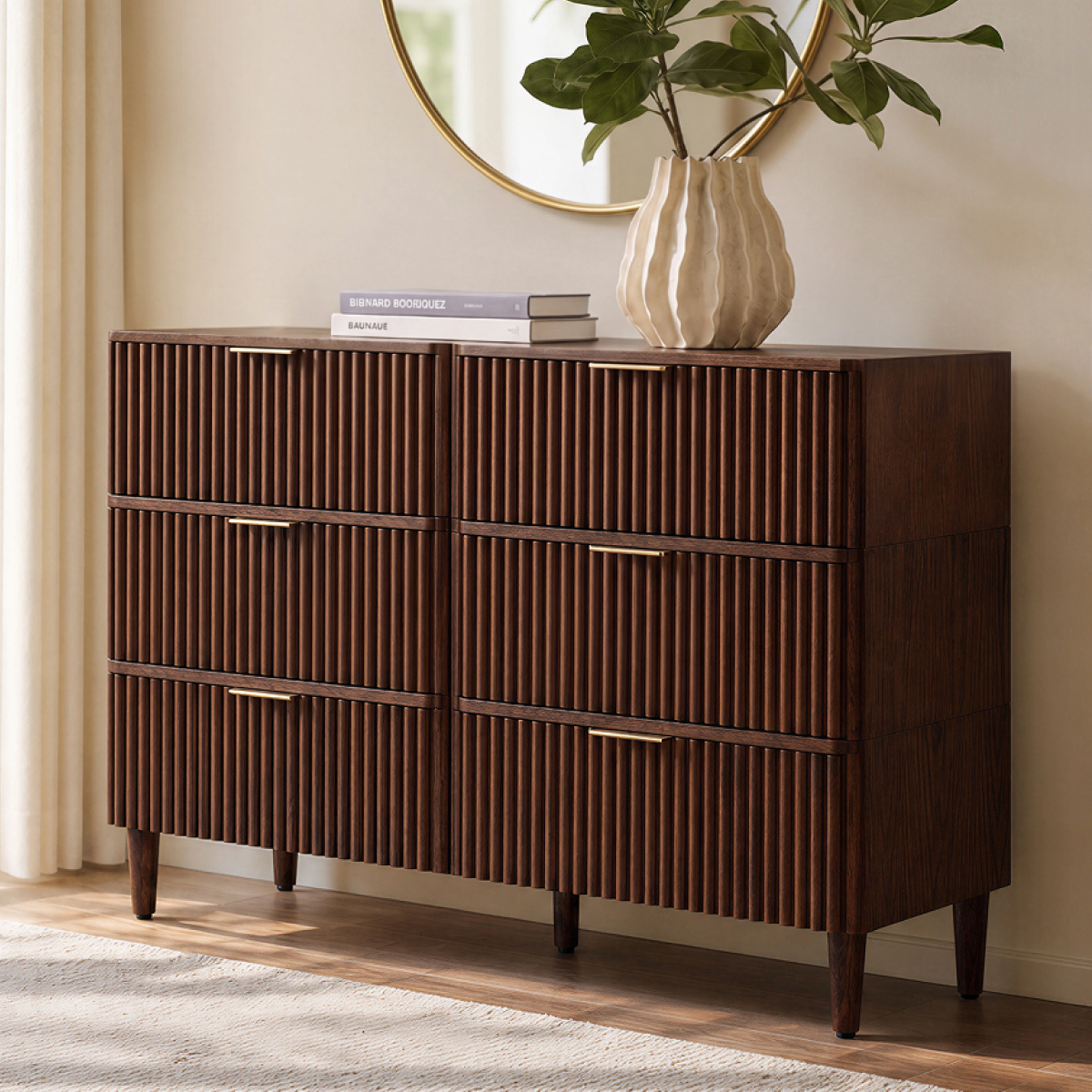
Modory Tessa Modular Storage System
The Tessa system is designed to be several pieces of furniture in one, functioning as a bedside table, a chest of drawers, or a compact TV unit depending on how the units are combined. Individual modules arrive pre-assembled and connect without tools, and units of different sizes can be joined together as long as they share the same height and depth. It's built from FSC-certified materials, which matters for buyers who want adaptable furniture without compromising on sourcing standards.
Vic 2-Seater Industrial Fabric Sofa with Black Metal Legs
Smaller in scale but flexible in its own right, this loveseat features fully movable seat and back cushions that can be repositioned, plumped, or removed entirely for cleaning. Upholstered in wipe-clean PU leather and set on sturdy metal legs, it works as a standalone piece in a compact room or alongside a matching armchair to build out a larger seating arrangement without committing to a full sofa set.
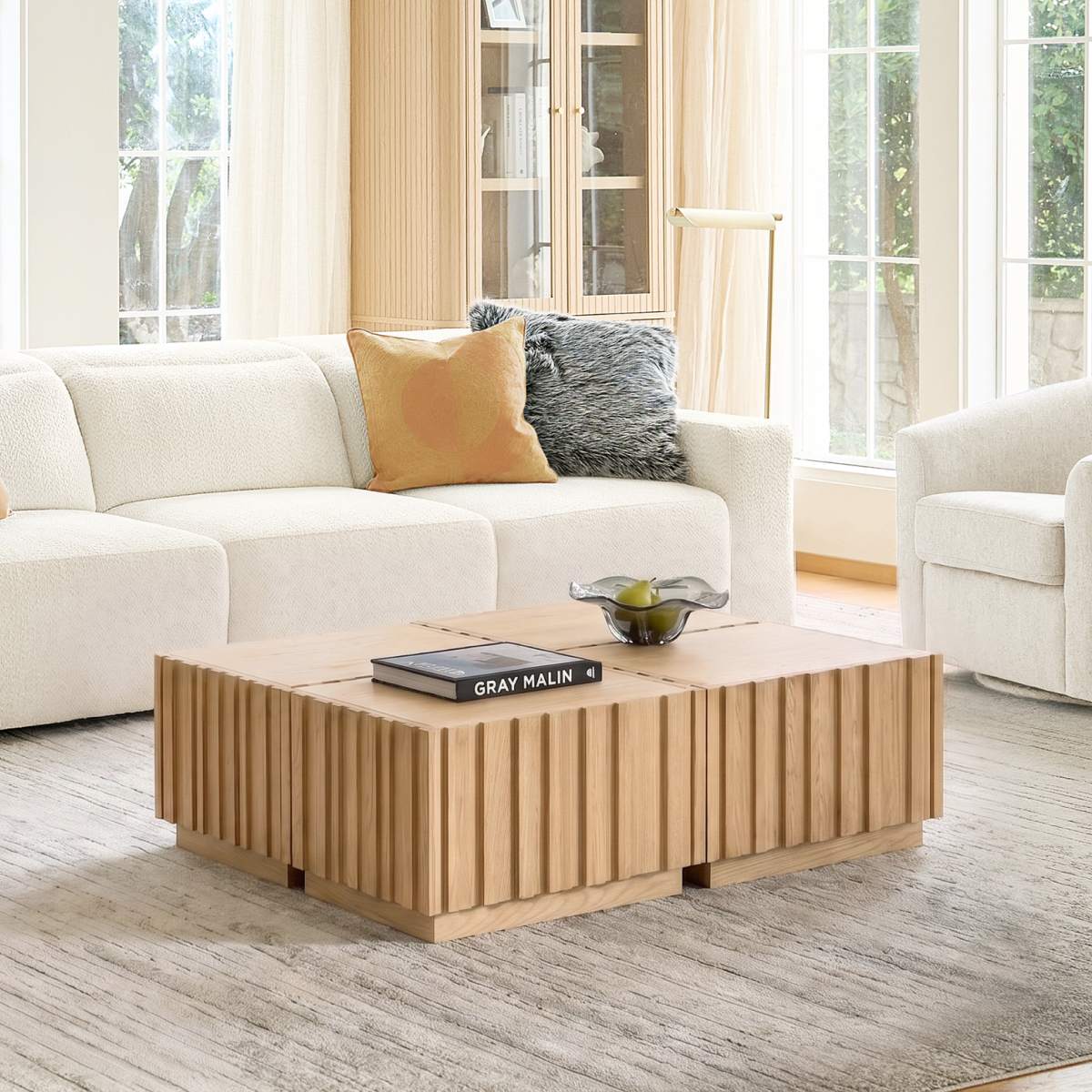
Conclusion
Flexible furniture isn't a passing design fad. It's a direct response to how UK homes actually get used, where rooms change purpose from one year to the next and space is rarely as generous as anyone would like. Whether that means a sofa that reshapes itself for different gatherings, a storage system that grows alongside your belongings, or a loveseat with cushions you can rearrange on a whim, the value of adaptable design is that it keeps working long after a fixed piece would have needed replacing.
Frequently Asked Questions
What's the difference between modular and flexible furniture?
Modular furniture is one type of flexible furniture, built from separate units that connect and reconfigure. Flexible furniture is the broader category, also covering pieces with movable parts, convertible functions, or expandable components that aren't necessarily modular.
Is modular furniture as sturdy as traditional fixed pieces?
Well-built modular furniture uses the same frame materials and construction standards as fixed furniture, with connection points designed to hold sections securely. Weight capacity and stability details are usually listed alongside standard dimensions on the product page.
Can modular sofas be rearranged without professional help?
Most modular sectionals are designed for tool-free rearranging, allowing sections to be separated and reconnected by hand. Larger reconfigurations may take two people simply due to the size and weight of individual sections.
Does flexible furniture cost more than standard pieces?
Pricing varies by brand and materials rather than by flexibility itself. Because adaptable furniture tends to have a longer useful life in a household, many buyers find it offsets its cost over time by removing the need to replace pieces as their space or needs change.
Is flexible furniture suitable for small UK flats?
It's often especially well suited to smaller spaces, since pieces that serve more than one function or reconfigure to fit a room reduce how much furniture is needed overall.
-(1).jpeg?w=2569&h=1427)



.png?w=614&h=180)
.png?w=1180&h=80)