
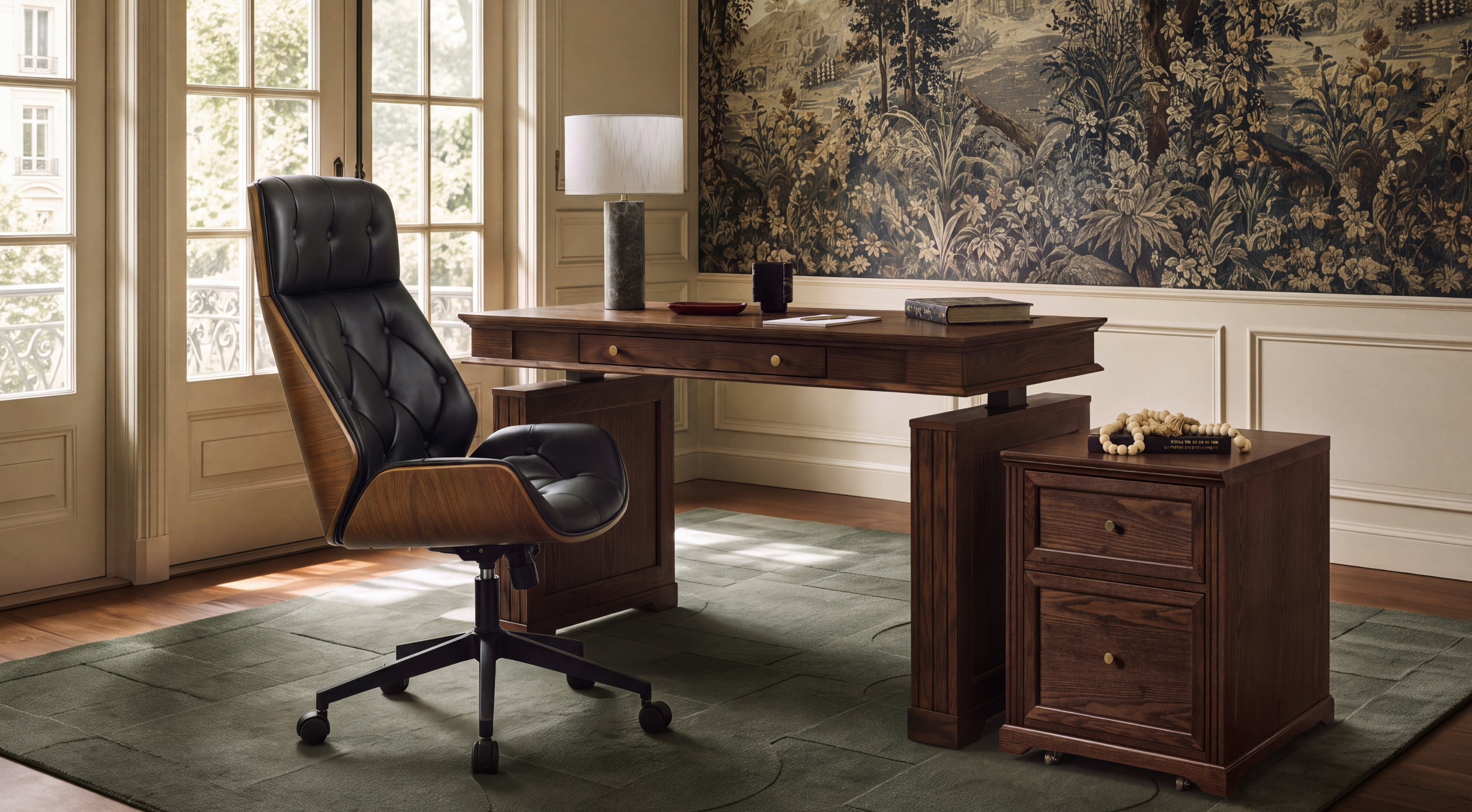
Hybrid working has changed what a home office actually needs to do. It's no longer a room used five days a week from nine to five. For many people, it's a corner of the living room on Mondays, a spare bedroom on Wednesdays, and untouched by Friday. Furniture bought for a traditional, fixed routine rarely holds up well against that kind of unpredictability, which is why hybrid working furniture has become its own category rather than an afterthought within general office design.
This guide looks at what actually matters when furnishing a flexible workspace, and highlights a few pieces worth considering for anyone setting up furniture home office UK style, built to move between focus and downtime without missing a beat.
Why Hybrid Working Changes What Furniture Needs to Do
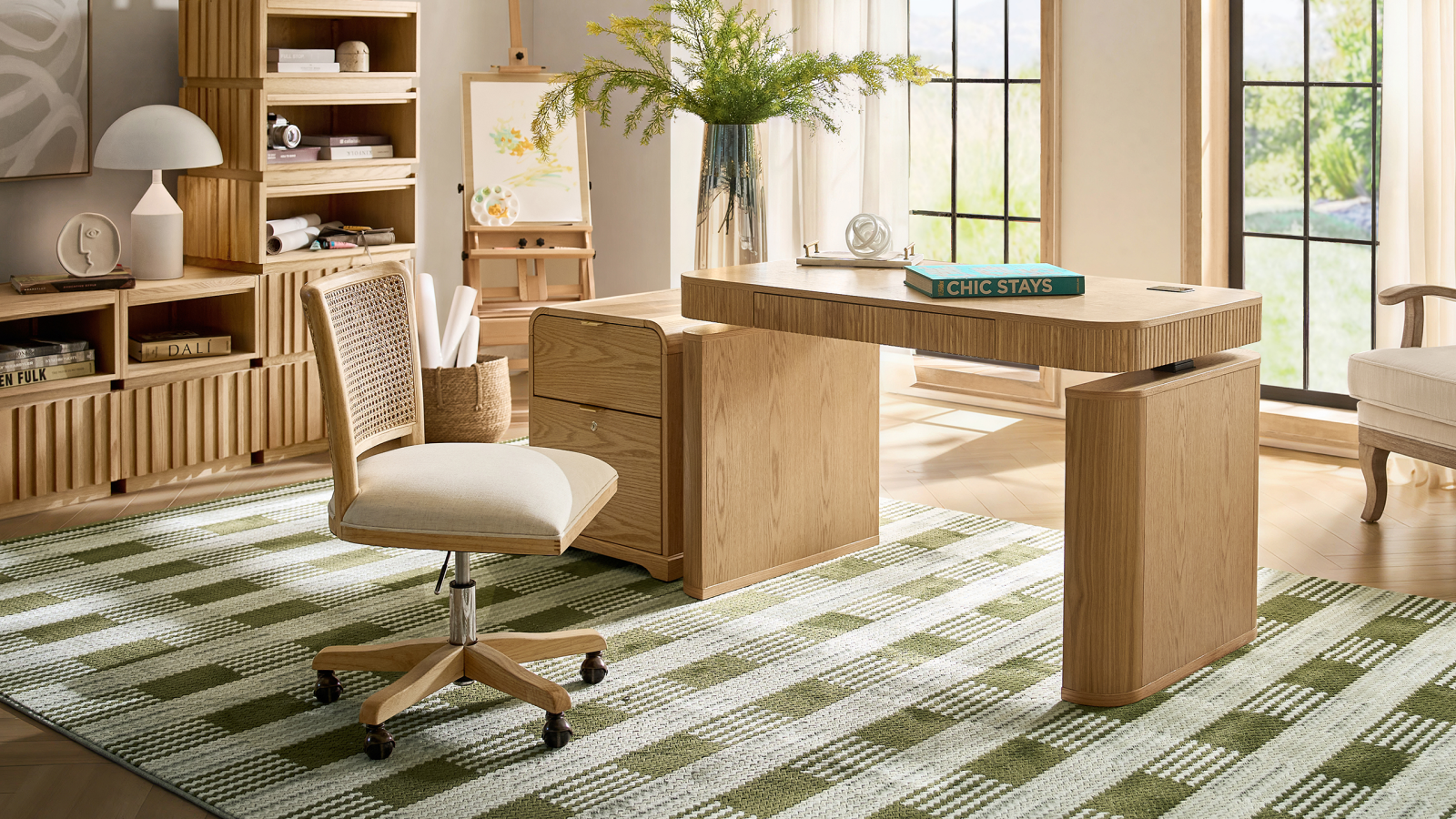
A desk used two or three days a week faces different demands than one used every weekday. It needs to be comfortable enough for a full day's focus but unobtrusive enough not to dominate a room that also has to function as a bedroom, dining space, or lounge on the days it isn't in use. The same logic applies to seating, storage, and even lighting, all of which now need to work harder in less dedicated space.
This shift has also changed buying priorities. Where a decade ago the emphasis was purely on desk size and chair support, hybrid workers increasingly weigh how quickly a setup can be packed away, how well it blends into shared living spaces, and whether it can adapt if the room's purpose changes again next year.
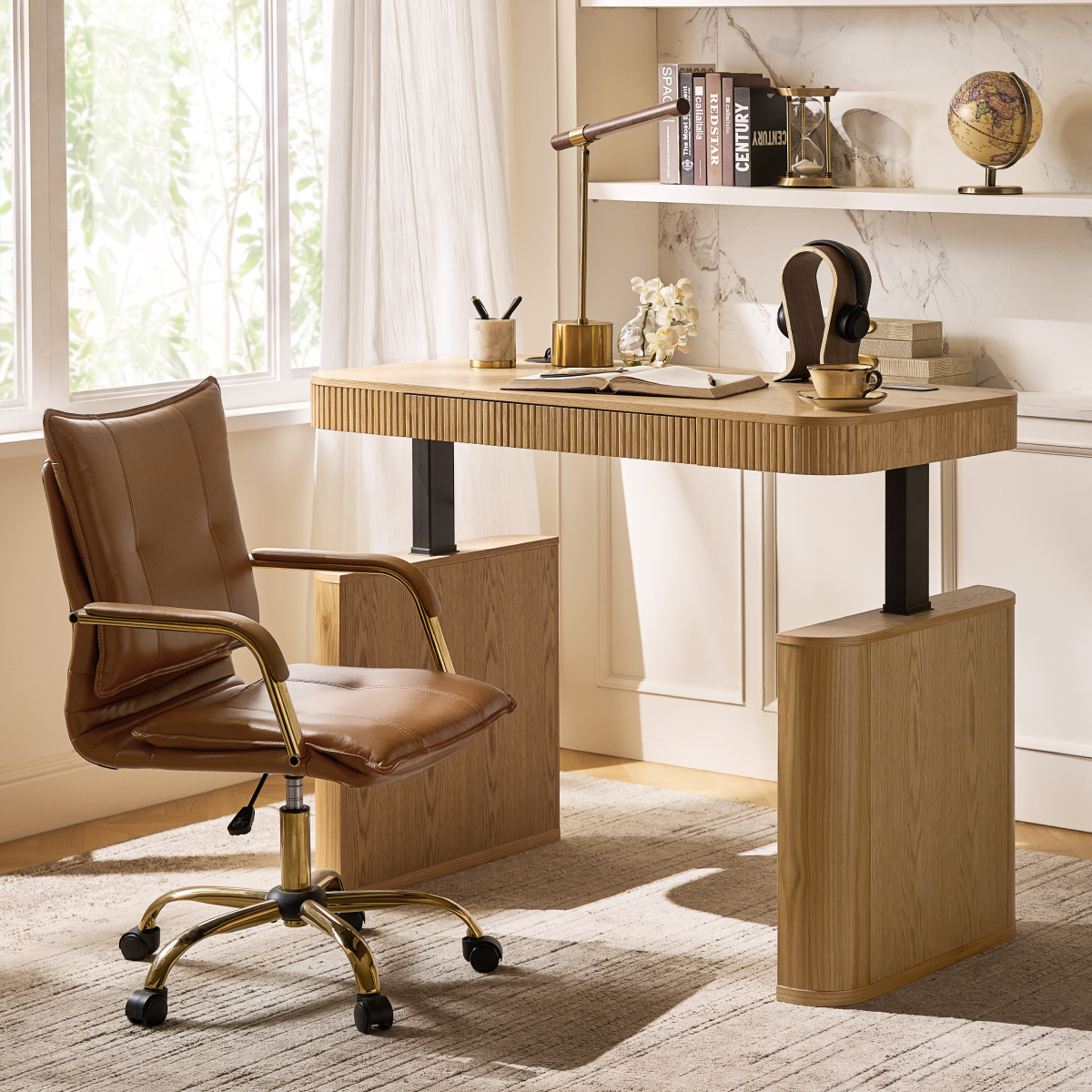
Building a Desk Setup That Actually Adjusts
A height-adjustable desk has become close to essential for hybrid work, and for good reason. Long, uninterrupted stretches at a laptop are harder on the body without the option to stand periodically, and research on sedentary behaviour has repeatedly linked extended sitting with reduced energy and focus over the course of a working day. An electric sit-stand desk with memory height presets removes the friction of adjusting manually, meaning the switch between sitting and standing actually happens rather than staying a good intention.
Cable management matters more in hybrid setups than fixed offices, too, since these desks are often visible from other parts of an open-plan home. A desk with built-in routing for power leads and charging cables keeps a shared space looking calm rather than office-like, which matters when the same surface needs to look presentable for a video call and tidy enough to sit next to during dinner.
Choosing a Chair That Works for More Than One Purpose
Office chairs designed purely for commercial use often look out of place in a home setting, which is a real problem for hybrid workers whose desk chair sits in a living room or bedroom rather than a separate office. An ergonomic chair with genuine lumbar support and height adjustment still matters for comfort during long working sessions, but style now carries equal weight, since the chair needs to look at home in a room it shares with the rest of daily life.
A 360-degree swivel base is worth prioritising as well. Hybrid work often means shifting between a laptop, a printer, and a stack of paperwork within arm's reach, and a chair that swivels smoothly makes that kind of multitasking noticeably easier than one that has to be physically turned.
Storage That Adapts as Fast as the Work Does
Fixed filing cabinets and bookcases assume a static workload, but hybrid work rarely stays the same for long. A modular office storage system, built from connecting units, allows a workspace to expand or shrink depending on what's actually needed that month, rather than committing to one fixed configuration from day one. This flexibility is particularly useful in shared or multi-purpose rooms, where storage sometimes needs to look like a normal piece of furniture rather than an obvious filing system.
Built-in charging has become a genuinely practical addition here too. A storage cabinet with USB and power outlets lets phones, tablets, and laptops charge without extra leads trailing across a room that's meant to double as a bedroom or lounge once the workday ends.
Featured Furniture for Hybrid Working Setups
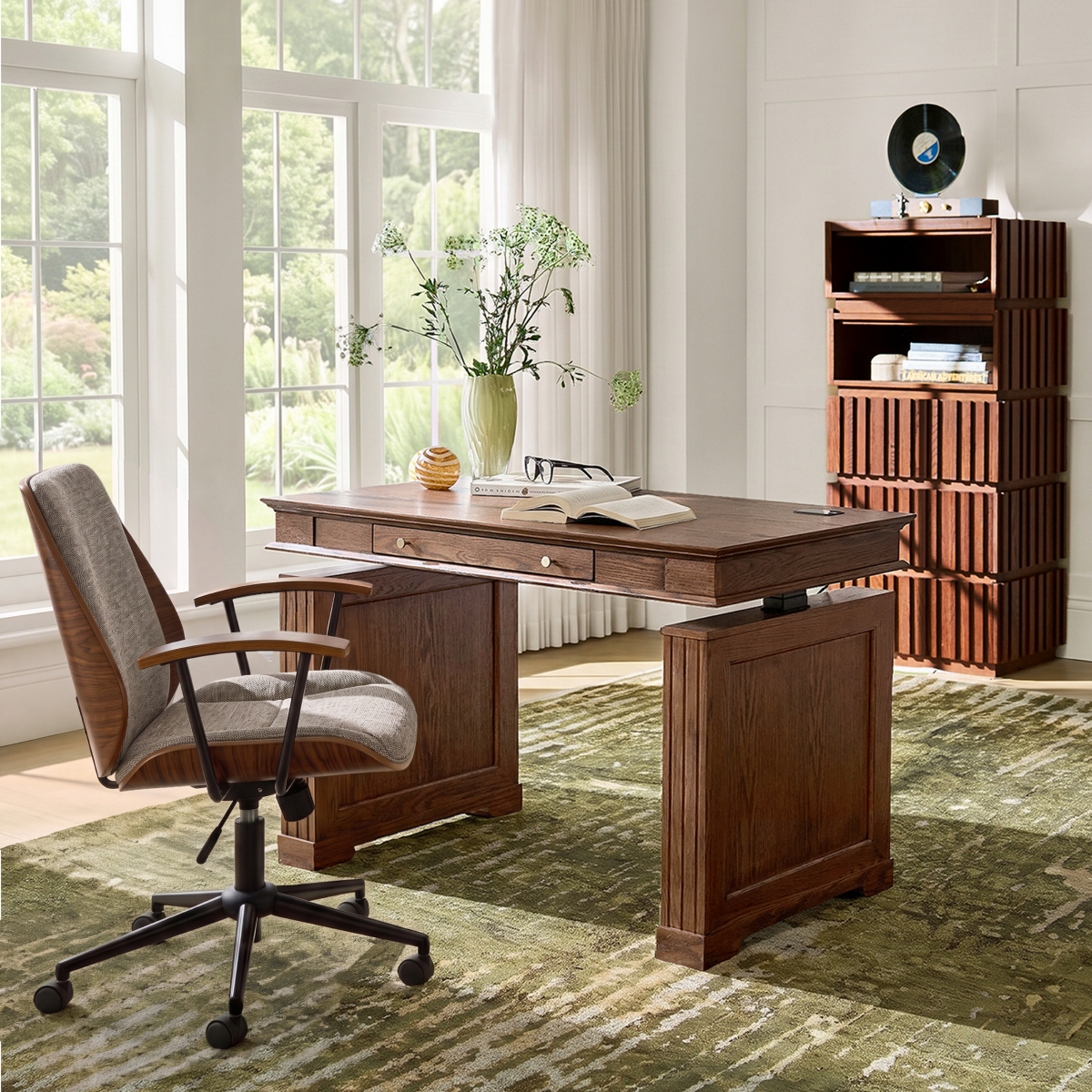
Julia Farmhouse Electric Adjustable Standing Desk with Cable Management
Built around real working habits, this desk includes three memory height presets for switching between sitting and standing without breaking focus, along with a sedentary reminder to encourage regular movement. A soft-close drawer with dividers and integrated cable management keep the surface clear, and at 121cm wide, it's sized to suit smaller UK rooms rather than demanding a dedicated office.
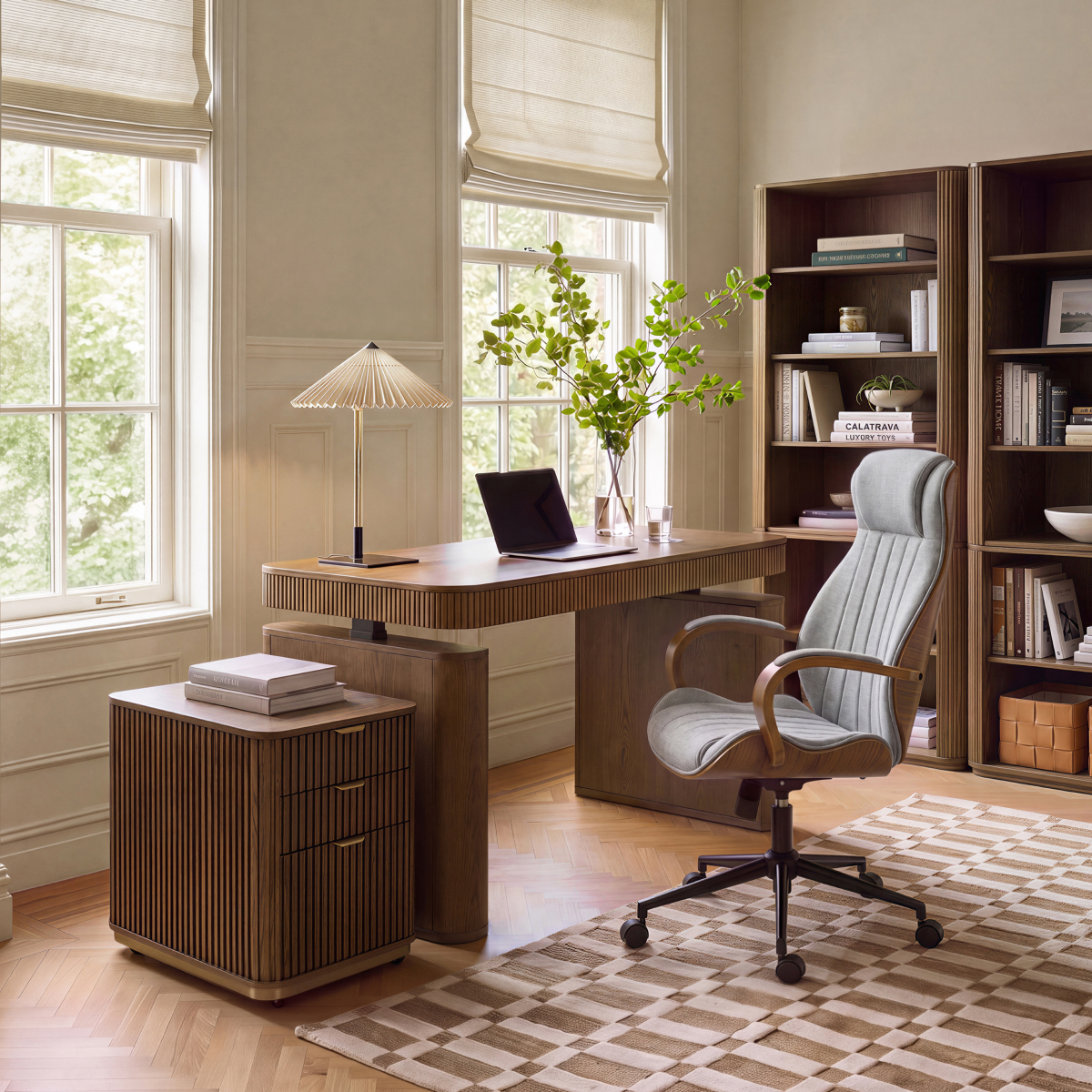
Griselda Ergonomic Adjustable Swivel Office Chair
With a curved solid wood frame and channel-stitched backrest, this chair looks equally at home in a living room or a study, which matters for hybrid workers without a separate office. The height-adjustable seat and full 360-degree swivel support long working sessions, while the mid-century styling means it doesn't need to be tucked away once the workday ends.
Modory Tessa Modular Storage System
This system can function as a compact filing unit, a bedside table, or a small TV console depending on how it's arranged, making it a natural fit for rooms that need to serve more than one purpose. Units connect without tools as long as they share the same height and depth, so a workspace can expand as needed without starting over.
Baggio Modern 2-Drawer Filing Cabinet with Charging
Designed with charging built directly into the rear panel, this cabinet includes USB, Type-C, and dual three-prong outlets, letting devices power up without extra cables across the floor. The lower drawer, sized for A4 files, includes a metal lock, while rounded edges make it a sensible choice for shared, busy households.
Conclusion
Hybrid working furniture succeeds when it stops behaving like traditional office equipment and starts behaving like flexible home furniture that happens to support work. A desk that adjusts to how the day is actually spent, a chair that belongs in a shared room, and storage that expands or blends in as needed all add up to a setup that holds together whether Monday looks like a full workday or Friday looks like nothing of the sort.
Frequently Asked Questions
What furniture is most important for hybrid working?
An adjustable desk and a genuinely comfortable, ergonomic chair tend to matter most, since these get used for the longest stretches. Flexible storage comes next, particularly for households where the workspace shares a room with another daily function.
Do I need a standing desk for hybrid work?
It isn't strictly necessary, but it's widely recommended, since alternating between sitting and standing throughout the day helps reduce the fatigue associated with long stretches of sedentary work. It's especially useful for hybrid workers who might otherwise sit for extended periods without the natural breaks an office commute or meetings provide.
How do I set up a home office in a shared room?
Look for furniture designed to blend into a living space rather than obvious office equipment, and prioritise pieces with cable management and closed storage, so the workspace can be visually put away outside of working hours.
Is modular office storage worth it for a small flat?
It's often especially useful, since modular systems let a household start small and add units only as genuinely needed, rather than committing to a large, fixed storage piece from the outset.
What should I look for in an ergonomic office chair for home use?
Height adjustment and proper lumbar support are the essentials for comfort, but for hybrid work specifically, it's worth also considering how the chair looks in a shared room, since it will likely remain visible and in use outside of standard working hours too.
-(1).jpeg?w=2569&h=1427)



.png?w=614&h=180)
.png?w=1180&h=80)